
FootballUncategorized
In recent years, few innovations have sparked as much debate in football as VAR, or Video Assistant Referee. Introduced to make the game fairer and minimize human error, VAR uses advanced video technology to review crucial decisions during a match. From goals and penalties to red cards and cases of mistaken identity, VAR has changed the way football is played and judged at the highest levels. But what exactly is VAR, how does it work, and why does it stir such strong opinions among fans, players, and coaches alike?
That’s exactly what we’ll explore in this article. We will cover every aspect of this key technology that is changing football worldwide, from its main characteristics to risk measurement problems. Make sure to take a look at each aspect below to understand why VAR is loved by many but often criticized by a huge part of the sports community as well.
Here is everything you need to know about the Video Assistant Referee:
Table of Contents
- Breaking Down What Is VAR: The Future of Fair Play in Football
- What Is the VAR System
- Is the Video Assistant Referee Effective?
- Why Is VAR So Criticized?
- The VAR Team
- Where the VAR Is Used
- Cases Where VAR Was Decisive
- Experience a Fair Pitch in FootballTeam
What Is the VAR System
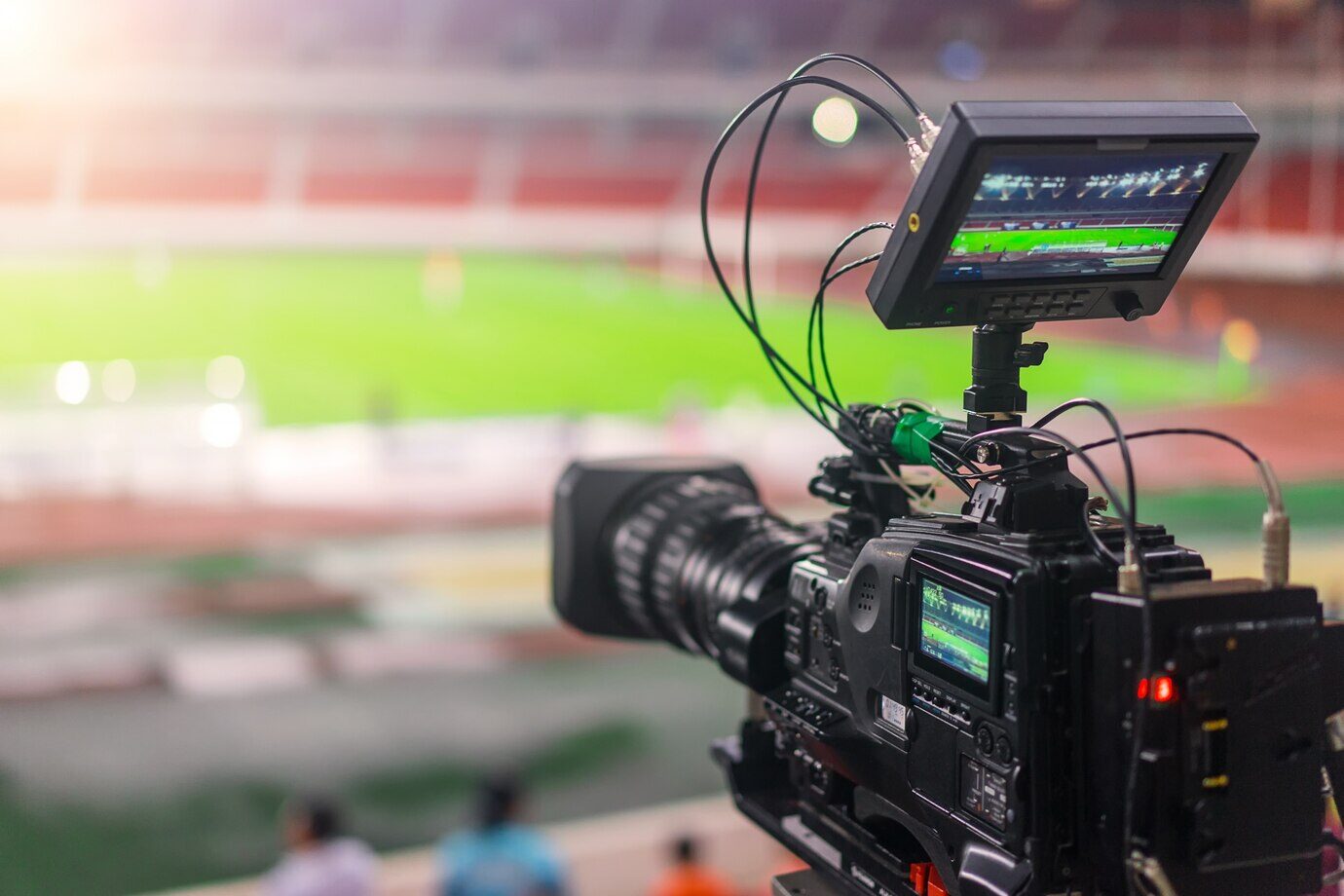
As we already mentioned, VAR stands for Video Assistant Referee and is a technology developed to help managers and referees avoid wrong calls during a match and correct any eventual obvious error. A network of cameras continuously records the match from all angles, and can provide slow-motion replays to assist referees in making the correct call.
The VAR system utilizes a dedicated video replay booth where the referee can review footage of the play in question. This system aims to reduce the number of missed calls and controversial decisions that can occur when relying solely on the referee’s real-time judgment, which has historically led to significant errors in crucial moments.
Is the Video Assistant Referee Effective?
We know that the system is basically a standard in all kinds of competitions worldwide, so it already gives people a hint on whether it’s effective or not. According to historical data by FIFA, the technology helped reduce more than half the number of wrong calls made by human referees during matches. Whether a clear and obvious error or a penalty kick that wasn’t clear at first sight, the system’s objective is to help the game be as fair as possible.
The footage analyzed at the VAR check is combined with other features, like the goal line technology, and delivers a transparent match, where fans and players can be assured that the decisions taken were analyzed by more than one person, dismissing the false sense of being harmed on purpose.
Why Is VAR So Criticized?
From a serious foul play that went unpenalized to a wrong decision from the referee, the VAR team and the replay operator can offer help and make sports a much fairer place for everyone. But if the technology is so good and helps clarify things before the referee decides what to do, why is it criticized by players and specialists?
There are a few reasons why people still dislike the solution or think it disturbs the match. Here, we will tell you some of the main ones and why they can be a problem to the football match and the integrity of the sport itself. Make sure to take a look at each one to see why specialists still criticize the solution that is said to help make matches fairer.
Delay

One of the main downsides of the technology is that when the referee stops play time to check the system, it can take a long time for the game to return. From the moment they go to the referee review area to asking the video operation room to display a specific angle and make the final decision, it can take a lot of time.
The review process requires tons of procedures, including finding the ideal camera angles and other actions for a good on-field review. This process of video review and watching different camera angles can take several minutes, resulting in a potential loss of game time before the play continues. It can be very frustrating for both players and spectators, directly impacting the flow of the match.
Subjective Decisions
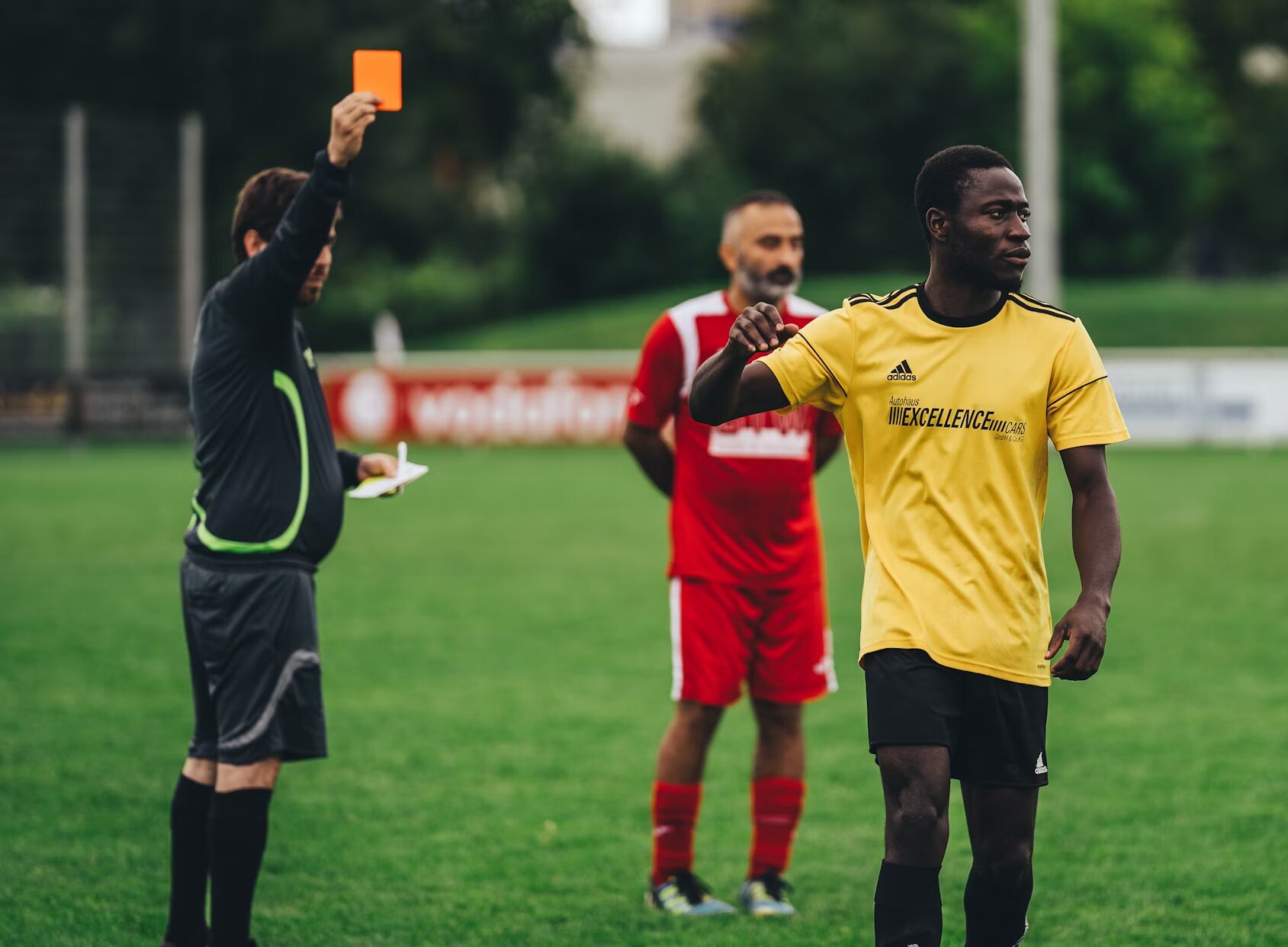
Even though VAR provides video replays, it does not make the final decision; the on-field referee still interprets what they see. In situations like fouls, handballs, and red cards, the rules often involve subjective language like “clear and obvious error,” “intent,” or “excessive force.” These aren’t black-and-white concepts, even when watching slow-motion footage.
So even with the ability to rewatch incidents from multiple angles, the human element remains, and different referees might still make different decisions on the same play.
To make things trickier, different leagues (like the Premier League, La Liga, or Serie A) apply VAR guidelines with slight differences, so fans and players get used to different “standards” of intervention, causing even more confusion internationally.
A slight touch on a player in the penalty box might be considered a foul by one referee but waved away by another, and handball decisions often depend on whether the referee believes the arm was in an “unnatural position,” which is highly interpretative. These are just some of the examples of how the final decision rests with the person on the field and not the video footage presented to them. That’s why it is so important to have a qualified referee on the field, even with the backup of the VAR protocol.
Lack of Transparency

One of the biggest criticisms of VAR is the lack of transparency during reviews. When an incident is under investigation, fans, players, and coaches are often left in the dark, unsure about what exactly is being checked, why it is taking so long, or how the final decision is being made.
In most cases, the stadium screens or TV broadcasts show a vague message like “VAR Check in Progress” without any detailed explanation. Meanwhile, referees communicate privately with the VAR team through headsets, and their discussions are not shared with the public.
This creates confusion, fuels mistrust, and leaves supporters feeling disconnected from the process. Without clear communication, it’s easy for people to assume that decisions are inconsistent, unfair, or even biased.
In contrast, sports like rugby and American football offer more transparency, with referees explaining decisions openly to the audience. In some competitions throughout the globe, there were already referees who explained the decision to the crowd, but it is not a rule, and in most cases, this doesn’t happen. Institutions like the Royal Netherlands Football Association have already criticized this point and requested more transparent protocols, but it is still not a reality.
It Doesn’t Eliminate All Errors
While VAR was introduced to reduce mistakes in football, it has not been able to eliminate them entirely. Even with access to multiple camera angles and slow-motion replays, decisions can still be wrong or highly debatable.
This happens because not every situation in football has a clear, black-and-white answer. Many incidents, like fouls, handballs, and even offside, involve interpretation, and different referees might see the same footage and come to different conclusions.
On top of that, the technology itself has limits: camera angles might not always be perfect, timing a freeze-frame for an offside call might not be completely precise, and tiny margins can create huge controversies. In some cases, VAR might even introduce new errors by over-analyzing incidents that would have been better judged in the flow of the game.
As a result, while VAR has certainly corrected many clear mistakes, it has also added a new layer of frustration for fans and players, showing that no technology can make football, or any sport, 100% error-free. Since it can’t eliminate all errors, many argue that the technology should be eliminated from football games, representing an additional risk for players, like an undeserved yellow card, or the wrong player being blamed for a problem. In the end, the final decision is still human referee-based.
The VAR Team
Even though the VAR itself is a technology based on video footage, an entire team behind this system is responsible for making its numerous aspects work properly and ensuring a fair game.
Behind every VAR decision is a specialized team of officials, each with a specific role to make the process as efficient and accurate as possible. Here are the main ones responsible and what each one does:
Video Assistant Referee (VAR)
The VAR is the leader of the video review team and plays a crucial role in ensuring fairness during the match. Sitting in a dedicated operations room, the VAR constantly monitors the live action and replays to detect any “clear and obvious” errors made by the on-field referee. They focus specifically on four types of incidents: goals, penalties, direct red cards, and mistaken identity. If they believe a mistake has occurred, the VAR informs the referee and recommends either overturning the decision or conducting an on-field review. However, the VAR can only suggest; the final authority always remains with the referee on the pitch.
Assistant Video Assistant Referee (AVAR)
The AVAR acts as the right hand of the main VAR, offering support in several critical ways. While the VAR focuses on the primary incident, the AVAR monitors other aspects of the play, such as off-the-ball actions or different angles that might reveal new information. They also assist in checking technical details like offside lines during goals or identifying if a foul occurred earlier in the buildup to a goal or penalty. This teamwork ensures that the VAR can concentrate fully on the main decision without missing any related infractions that could impact the outcome.
Replay Operator
The Replay Operator is the technical expert behind the scenes, responsible for quickly providing the VAR and AVAR with the necessary video feeds. They select the best angles, slow-motion replays, and critical freeze-frames to help the officials analyze incidents thoroughly and efficiently. The speed and accuracy of the Replay Operator are essential, as they directly impact how fast the review process happens. Without fast and smart replay management, VAR checks could take much longer and disrupt the flow of the game even more than they already do.
On-Field Referee
The on-field referee remains the central figure in officiating the match, even in the era of VAR. While they receive advice from the VAR team, the referee retains full authority to accept or reject the recommendations. If needed, the referee can conduct an “on-field review,” where they personally watch the footage on a sideline monitor to reassess their original decision. This keeps the human element intact, ensuring that technology supports — but does not replace — the referee’s judgment. Their ability to make the final call after reviewing the evidence is crucial in maintaining the spirit and authority of the game.
The Magic of VAR’s Camera Setup

The VAR system relies heavily on an advanced camera setup to make its decisions as accurate as possible. In a typical high-level match where VAR is used, there are between 12 and 40 cameras installed around the stadium, depending on the competition. These include a mix of broadcast cameras, high-frame-rate cameras, offside cameras, and specialized slow-motion cameras.
A key part of the setup is the offside technology, which uses specific cameras positioned along the pitch lines to capture exact moments. This helps VAR officials check if a player was offside during critical phases of play. These cameras are synchronized with precise frame-by-frame analysis tools, allowing the VAR team to freeze the action at the exact moment a ball is played and draw calibrated offside lines for maximum accuracy.
All the footage is streamed directly to the VAR operation room—sometimes on-site at the stadium, but often at a centralized hub (like UEFA’s VAR headquarters in Nyon). Here, the Video Assistant Referee (VAR), Assistant VARs (AVARs), and the Replay Operator have access to every camera angle and can quickly select the best views to recommend to the on-field referee.
The entire system is designed to make sure that no critical detail is missed, giving officials multiple perspectives on every key moment. However, despite the technology’s sophistication, it still depends on human interpretation, which is why even with all these cameras, controversies can still happen.
Where the VAR Is Used
VAR is now used in most of the world’s top football competitions, especially at the professional and international levels. In club football, major leagues have all adopted VAR as a regular part of their officiating systems. It is also used in big international tournaments.
Beyond Europe and South America, VAR is becoming more common in leagues across Asia, North America’s MLS, and in some domestic cup competitions like the FA Cup and the Copa del Rey. While its rollout has not been universal, and some smaller leagues or lower divisions may still not use it due to cost and infrastructure demands, VAR is now deeply embedded in the highest levels of the sport worldwide.
Some competitions that use the VAR system to ensure transparency are:
FIFA

FIFA was the first to officially introduce VAR in 2016 as a test. It was used mainly in determined games, especially friendly matches and less important tournaments, as a tool for reviewable incidents and to measure the impacts it could cause during more important competitions, like the World Cup. The first time it was officially introduced in the competition was during the 2018 edition of the tournament, and the period was vital for it to establish its place as one of the most valuable assets of modern football, helping the sport in numerous ways.
Bundesliga

Before VAR was officially introduced in the World Cup, the Bundesliga had already established the technology in the main matches of the German tournament. Whether in smaller encounters or in classics like Borussia Dortmund vs. Bayern Munich, the technology was crucial for reviewing referee errors that could provide an obvious goal-scoring opportunity to the wrong team, for example. Bundesliga was the first top European league to introduce VAR technology, and it was the target of numerous critics at the time. However, it proved to be a success in the competition and encouraged other countries to do the same in their domestic tournaments.
La Liga

Another major domestic competition that adopted the VAR system was the prestigious Spanish tournament, La Liga. The adoption of the complete Video Assistant Referee (VAR) system, including the assistant VAR, has significantly increased the credibility of the video referee on the global stage. This has helped numerous on-field referees make factual decisions that have directly impacted match results, from penalty kicks to corner kicks that led to goals.
This has been particularly evident in some of the world’s most anticipated rivalries, such as Real Madrid vs. Barcelona. Another league that introduced the technology at the same time was Ligue 1 in France. Both competitions started using the video arbitration system in the same year, and it has been an absolute success, used in every season since then.
UEFA Champions League

The VAR system was adopted by the Champions League in 2018, a testament to the system’s integrity and trustworthiness despite its imperfections. The Champions League’s adoption of VAR was a major step in demonstrating the system’s value and led to its widespread use in competitions around the world.
UEFA has invested heavily in training referees for VAR use, and all VAR operations in the Champions League are managed centrally from a hub located at UEFA’s headquarters in Nyon, Switzerland, for logistical efficiency and standardization. This centralized system helps UEFA maintain consistent application of VAR across all matches, no matter where the games are played.
Cases Where VAR Was Decisive
As we mentioned, VAR can be decisive for the course of a match, completely changing results and opportunities, whether because the attacking team gained possession of the ball because of a foul or anything else. Here, we will cover some of the most famous cases where the video referee acted as an important tool that changed the course of the game. Make sure to take a look at each one to see the importance of VAR in modern football. Here are the cases:
- 2018 FIFA World Cup (France x Australia) – In the 2018 FIFA World Cup group stage, France faced Australia in a match that became historic for introducing VAR to the World Cup stage. During a tense moment, Antoine Griezmann was fouled inside the box, but the referee initially waved play on. After consulting VAR, the referee awarded a penalty to France, which Griezmann confidently converted. That moment helped France to a 2–1 victory and showed how VAR could decisively tilt a match’s momentum.
- 2019 Champions League Quarter Finals (Manchester City x Tottenham Hotspur) – This is a game remembered for its wild drama. In stoppage time, Raheem Sterling scored what seemed like a thrilling winner for City, sparking celebrations all over the Etihad Stadium. But VAR intervened, revealing that Sergio Agüero had been barely offside earlier in the move. The goal was ruled out, and Tottenham advanced on away goals, leaving City stunned and knocked out.
- 2022 FIFA World Cup (Japan x Spain) – Japan’s second goal, scored by Ao Tanaka, triggered immediate controversy. At first glance, it appeared the ball had gone fully out of play before Kaoru Mitoma crossed it. However, after an intense VAR review, the goal stood, as the ball was judged to have barely stayed in by a fraction of its curvature. Japan won the match 2–1, which not only saw them top the group but also led to Germany’s dramatic elimination.
Experience a Fair Pitch in FootballTeam

Want to experience a fair field where you can test your abilities both as a player and manager? FootballTeam is the perfect place for that!
Join over a million registered players and challenge them to see who’s the world’s #1 player. To do that, you’ll create your player and team, customizing every aspect of your journey.
There are multiple modes to choose from, each with different rules and ways to play, allowing you endless possibilities and tons of fun.
You can also invite your friends as FootballTeam allows you to connect with people from all over the world from any mobile or desktop device. Visit the main page now and start your journey!


