
Football
Football is often celebrated as the world’s most popular and unifying sport, bringing together people from diverse backgrounds. However, beneath its global appeal lies a persistent issue that continues to impact the game: racism and discrimination.
From racist chants in stadiums to online abuse targeting players, discrimination in football remains a major challenge despite efforts to eradicate it. While governing bodies, clubs, and organizations have implemented policies and campaigns to promote inclusivity, incidents of racial abuse still make headlines, raising questions about the effectiveness of these measures.
This article explores the ongoing struggle against racism in football, its impact on players and fans, and the steps being taken to foster a more equitable and respectful sporting environment. We will cover multiple aspects of this problem, including the most famous cases of discriminatory behaviour, the fans’ role in this fight, and what the football authorities need to do so that racism remains a thing of the past in any amateur or professional game.
Make sure to take a look at each aspect below to know what you can do to end football racism and how racist comments can impact not only players but the entire sports environment. Here’s everything you need to know about the subject:
Table of Contents
- Racism and Discrimination in Football: A Battle Still Being Fought
- The Impact of Racism in Football
- Beyond Just Racism
- Famous Cases of Discrimination in Football
- What Can We Do to Stop Discrimination in Football?
- Charities and Organizations That Help in This Fight
- Join the Best Sports Environment in FootballTeam
The Impact of Racism in Football

Discriminatory reports are not something new in the football realm, and every day, we see news about cases that happened in the Premier League, Champions League, and all kinds of tournaments worldwide. Whether as a tackle from opposition fans or as a way to target players they don’t like, these cases severely impact how the world views football.
When players report discrimination, the entire world loses, and the history of the football game is marked by these unfortunate events that still reinforce that the sport has a long way to go in fighting against this problem.
One Act: A Message for Thousands
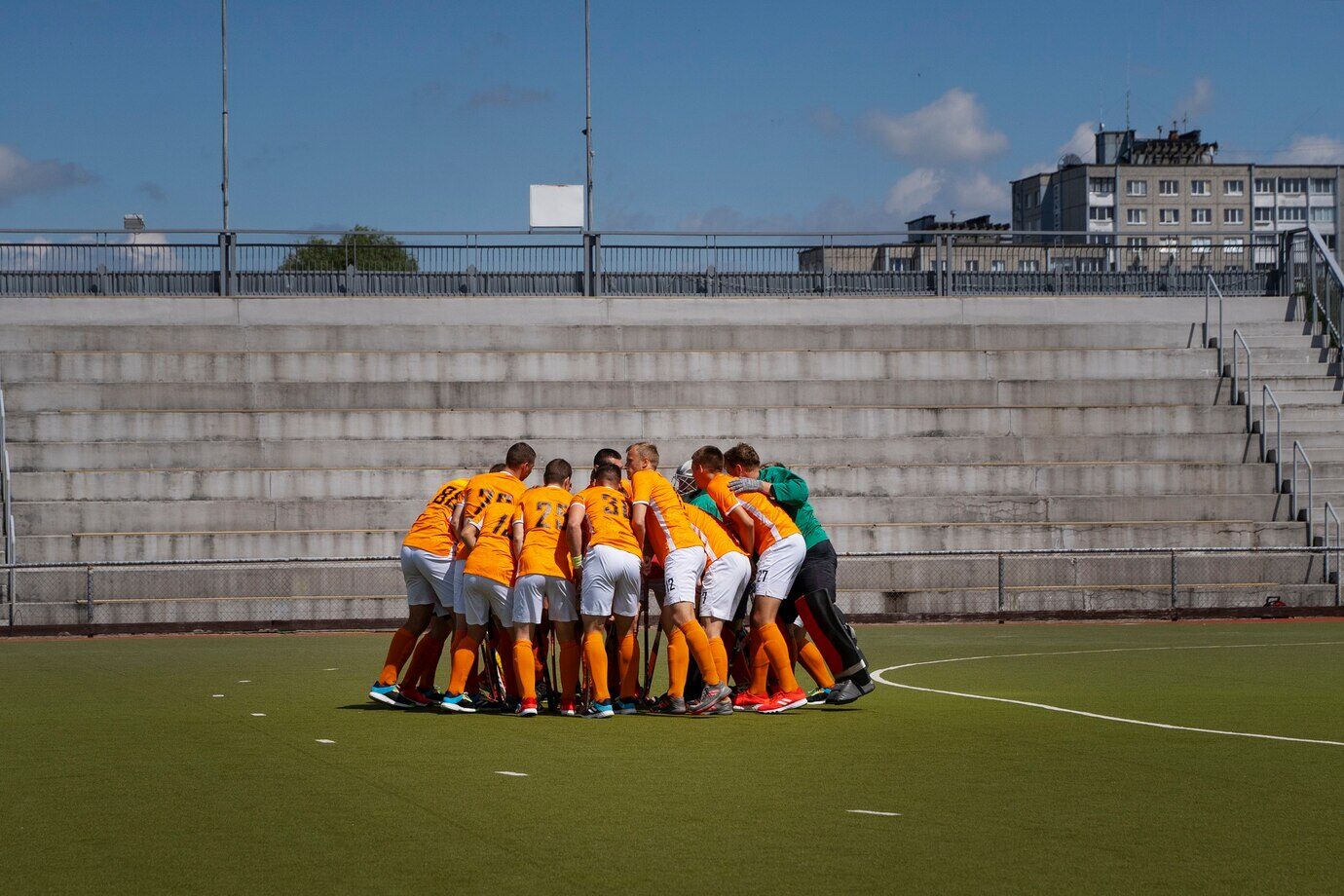
A discriminatory abuse doesn’t impact only the target player but the entire community. When a black player is targeted, whether through monkey noises or other forms of racism, it sends a message to all other black players and fans, making them feel unwelcome and defeating the main aspect that makes this sport so loved: the power of reuniting everyone together.
Football was meant for everyone to play equally and have the same opportunities, so all fans and players who racially abuse other people are contributing to making this ground an unwelcoming place for certain people.
Impacts on Mental Health
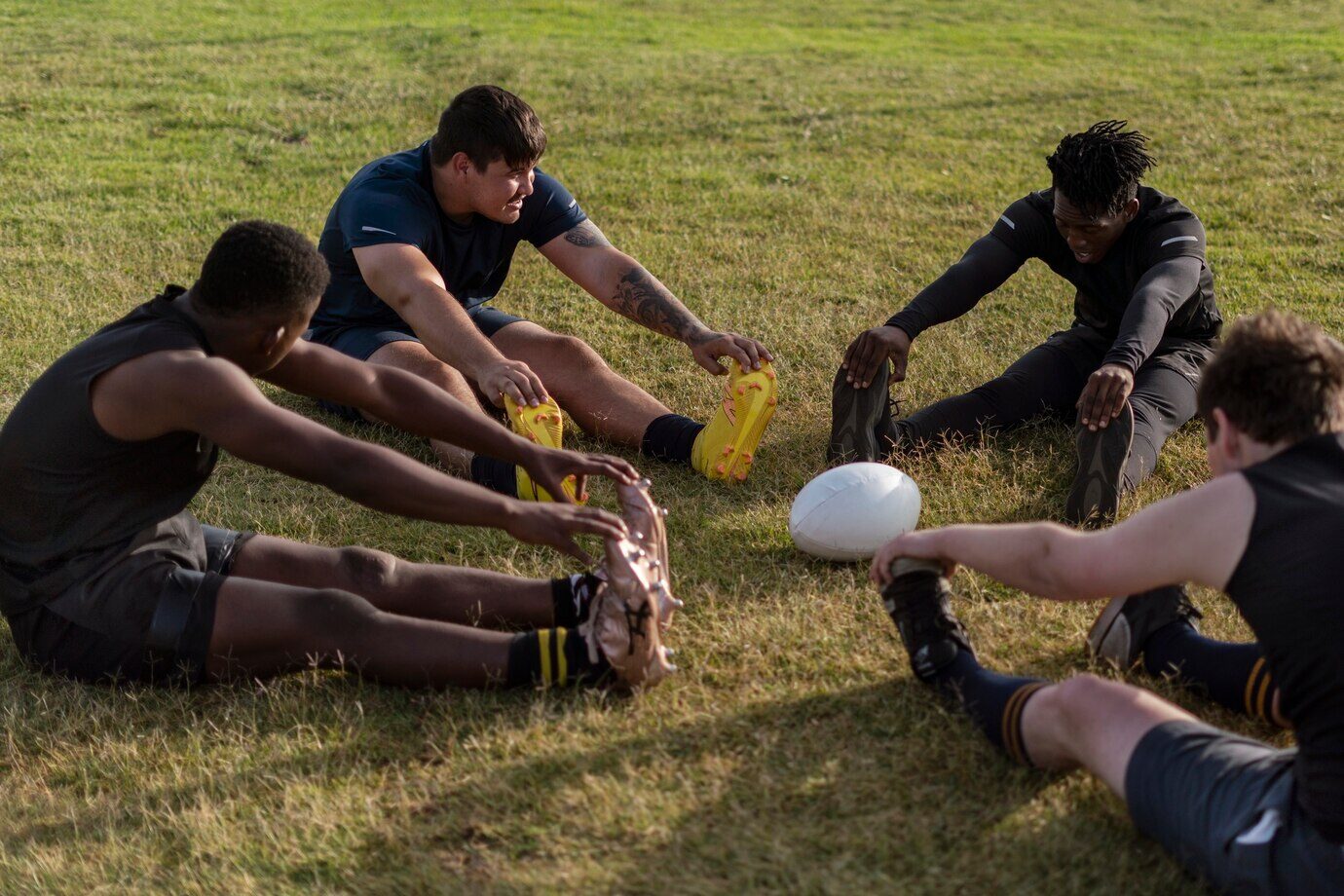
This problem is not only about the space itself but also about the players’ health. Racial abuse, whether on the pitch or online, can severely affect a player’s mental health, leading to anxiety, depression, and a decline in performance. Many players have spoken out about how racial discrimination has made them feel isolated, undervalued, or unsafe in the sport they love.
Players, including high-profile figures like Marcus Rashford, Vinícius Júnior, and Romelu Lukaku, have spoken out about the emotional distress caused by racial abuse. In extreme cases, some have chosen to leave leagues or teams where racism is prevalent, showing how discrimination can drive talent away from the game. While mental health support has improved in football, racism remains a serious barrier to player well-being.
Impact on Young Talents

When young players witness racism in football, they may feel discouraged from pursuing a career in the sport. This limits opportunities for aspiring athletes and deprives football of diverse talent that could contribute to its growth. Football is a dream for many young players, but racism can turn that dream into a nightmare.
Grassroots football, where young players develop their skills, is not immune to racism. Reports of racial abuse from opponents, coaches, or even teammates can push young players away from the game before they have a chance to reach their full potential. In some cases, families have withdrawn their children from football academies due to racial discrimination, depriving the sport of future stars. Football should be a game where talent is the only factor determining success, but racism creates an uneven playing field that discourages some of the brightest prospects.
Toxic Culture
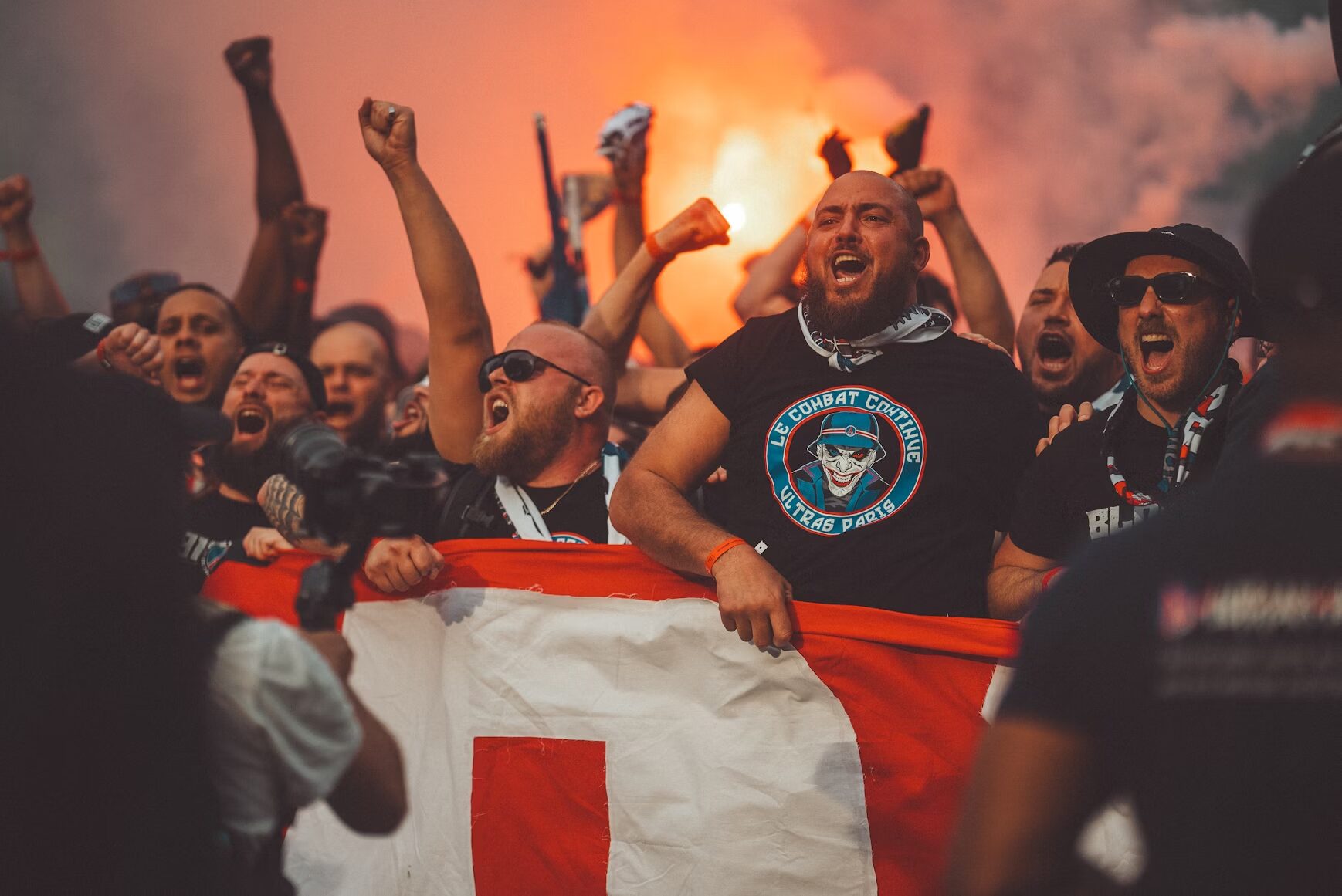
One of the biggest challenges in eliminating racism from football is the toxic fan culture that exists in certain parts of the sport. While many fans celebrate diversity and inclusion, some sections of football fandom continue to engage in racist behavior, including offensive chanting, discriminatory banners, and racial abuse toward players.
Social media has amplified this problem, allowing individuals to hide behind anonymous profiles to target players with racial slurs and threats. High-profile cases have involved Black players receiving racist messages after missing penalties, as seen in the aftermath of the Euro 2020 final when England players Bukayo Saka, Marcus Rashford, and Jadon Sancho were abused online. This was not the first time, and a similar situation happened in the previous season, with the “fans” doing monkey chants and other forms of tackle racism towards opponent players.
Even though the number of cases has reduced, according to a BBC Sport report, this is still a big problem that the Football Supporters Association struggles to fight against.
Beyond Just Racism

Even though racism is the most highlighted case when it comes to discrimination in football, it is far from the only one. We see discrimination reports regarding all kinds of problems, including homophobic abuse, sexist abuse, and many others. Football is one of the most democratic sports in the world, and everyone is welcome, but there’s still a long road ahead for us to reach equality for everyone on the field.
Despite progress in promoting inclusivity, homophobia remains a significant problem in football. LGBTQ+ players, coaches, and fans often face discrimination, both on and off the pitch. Very few professional male footballers have come out as gay due to fear of backlash from fans, teammates, and sponsors.
Players such as Josh Cavallo (Australia) and Jake Daniels (English Football League) are among the few who have spoken openly about their sexuality, but they have also faced online abuse. Fans and even some players have used homophobic slurs during matches. In many cases, governing bodies have failed to take strong anti-discrimination action against these incidents. Despite campaigns like “Rainbow Laces” by Stonewall and UEFA’s efforts to promote LGBTQ+ inclusivity, football still struggles with homophobia, particularly in men’s competitions.

Homophobia is not the only problem reported by fans and players. Another pervasive issue to see in the reported form from players is sexism on the field. Women’s football has grown tremendously, but gender discrimination remains widespread in the sport.
Women’s football players earn significantly less than their male counterparts, even in top leagues and international tournaments. The lack of investment in women’s football leads to fewer resources, poorer facilities, and less media coverage.
Moreover, many women involved in football, including players, coaches, referees, and journalists, face sexist abuse from fans and even colleagues. Some still believe that football is a “man’s game,” undermining the progress of women’s football.
Discrimination in football goes beyond racism; it includes homophobia, sexism, religious intolerance, xenophobia, discrimination, and ageism. While efforts have been made to promote inclusivity, the sport still has a long way to go.
To make football truly inclusive, governing bodies, clubs, and fans must work together to challenge discriminatory behaviors, implement fair policies, and create an environment where everyone, regardless of race, gender, religion, or background, can enjoy the beautiful game.
Famous Cases of Discrimination in Football
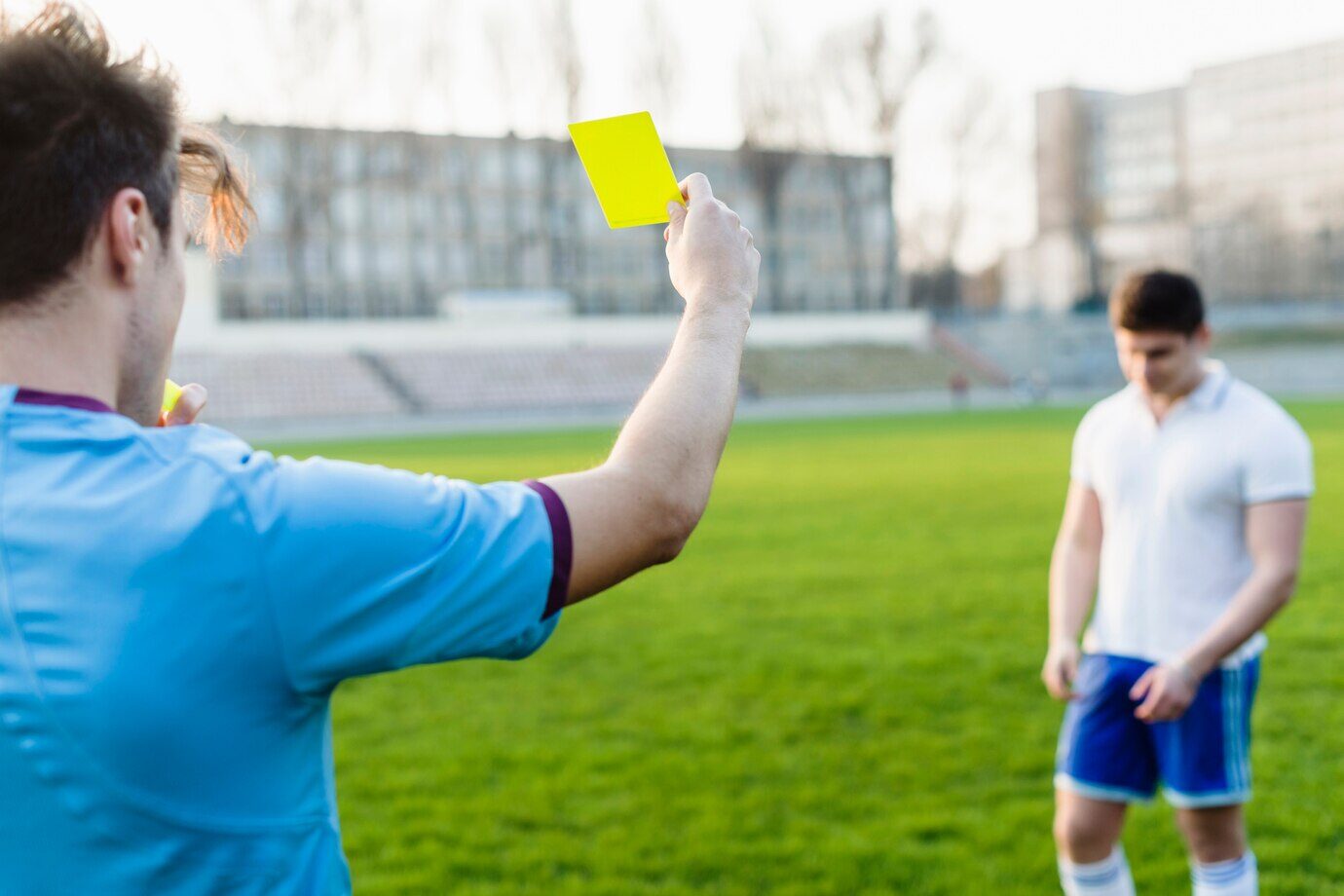
Now, let’s dive into some of the most famous cases of alleged racist abuse and other forms of discrimination that impacted the football world and moved an entire nation to reflect on the consequences of these actions.
We will cover multiple cases from different parts of the world, showing the various ways these sad events can impact the sports environment. From cases that resulted in stadium bans to reporting procedures that moved social media companies, here are the most famous ones:
Luis Suárez vs. Patrice Evra (2011)

Suárez may be one of the most controversial figures in football, whether because of his biting incidents or this specific case in 2011. Even though he is still one of the greatest players in Barcelona and other clubs’ history, this became an actual headache for him and his team and also sparked a crowd of people asking for harsher punishments and greater awareness against racism on the field.
But what happened in this match? Well, here’s everything you need to know:
The Luis Suárez vs. Patrice Evra case is one of the most infamous racism incidents in football history. It occurred during a Premier League match between Liverpool and Manchester United in October 2011 and led to a significant controversy that lasted for months.
During the match at Anfield, Liverpool’s striker, Luis Suárez, and Manchester United’s defender, Patrice Evra, had a heated exchange. Evra later claimed that Suárez racially abused him multiple times by calling him “negro” (a Spanish term for “black”).
Suárez admitted to using the word but defended himself by saying it was not meant as an insult and that in Uruguayan culture, the term could be used in a friendly or neutral way. However, Evra insisted that the context in which Suárez used the word was offensive.
The FA found Suárez guilty of racial abuse and handed him an 8-match ban along with a £40,000 fine. Moreover, Suárez and Liverpool initially denied any wrongdoing and criticized the FA’s decision, and Liverpool players even wore T-shirts supporting Suárez before a match, which sparked controversy.
Vinícius Júnior and Racial Abuse in Spain (2023)
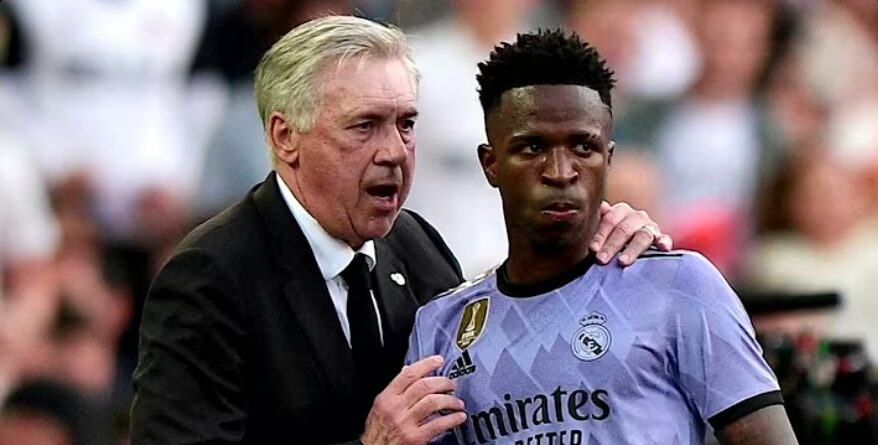
The racial abuse directed at Vinícius Júnior, the Brazilian winger for Real Madrid, during the 2022-23 La Liga season sparked a global outcry against racism in football. The incidents, particularly those in Valencia, highlighted deep-rooted racial issues in Spanish football and led to significant discussions about how authorities handle discrimination in the sport.
Vinícius Júnior was subjected to racist abuse several times throughout the 2022-23 season, with multiple La Liga stadiums witnessing racist chants and slurs directed at him. One of the most notable ones was when the match stopped between Real Madrid and Atlético Madrid because a small number of opposing team fans were making monkey noises.
In January 2023, before another match against Atlético Madrid, an even more disturbing act of racism took place. A mannequin wearing Vinícius Júnior’s Real Madrid jersey was hung from a bridge in Madrid with a banner reading, “Madrid hates Real.” This act was widely condemned as a death threat, yet the response from Spanish football authorities remained underwhelming.
At one point in the match, Vinícius pointed out the abusers in the crowd, causing a temporary pause in the game. Instead of taking immediate action against the racist fans, the referee seemed more focused on maintaining order in the match. Later in the game, tensions boiled over when Vinícius was involved in an altercation, leading to him receiving a red card. This decision further angered the football community, as it appeared that Vinícius was being punished instead of those who abused him.
Initially, La Liga and the Spanish Football Federation (RFEF) downplayed the issue, arguing that they had limited power to act against fans. However, after global backlash, they were forced to take stronger measures. Three fans were arrested, found guilty, and banned from the stadium, and more people who were involved in the situation eventually got sued. This is one of the most famous cases of recent years and helped raise awareness for more strict rules and punishments on the situation.
Daniel Alves and the Banana Incident (2014)
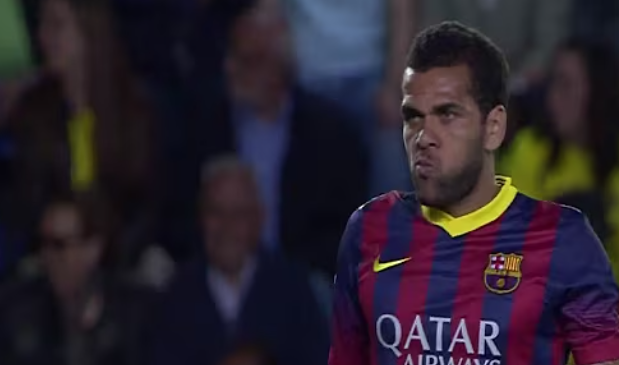
In April 2014, Brazilian footballer Dani Alves, who was playing for FC Barcelona, was subjected to a racist act during a La Liga match against Villarreal. This incident became one of the most famous moments in football’s fight against racism, not only because of the act itself but because of Alves’ unique and powerful response.
During the match, as Dani Alves was preparing to take a corner kick, a fan from the stands threw a banana onto the pitch. This act was a well-known racist gesture aimed at Black players, suggesting that they were less than human. Such forms of abuse had been common in European football for years, especially against Black and South American players.
He picked up the banana, peeled it, and ate it before continuing the match. His casual and humorous reaction immediately turned the act of racism into an opportunity for empowerment.
Dani Alves’s response quickly went viral, receiving widespread support from fans, players, and celebrities around the world. His teammate Neymar launched the #WeAreAllMonkeys campaign on social media, encouraging people to post pictures of themselves eating bananas as a way to stand against racism. Many other footballers, including Lionel Messi, Sergio Agüero, Mario Balotelli, and Luis Suárez, joined the movement by posting similar pictures, showing solidarity with Alves.
Barcelona’s coach at the time, Gerardo Martino, praised Alves for handling the situation with dignity, while club officials and FIFA condemned the incident. Villarreal quickly identified the fan responsible and banned him from attending matches for life.
Ada Hegerberg’s Ballon d’Or Award (2018)

As we mentioned, racism isn’t the only form of discrimination present in the grassroots game. Sexism is also another widely known problem, and debatably on the same level.
One of the main cases that showcases that is the Ada Hegerberg’s Ballon d’Or ceremony in 2018. The hosts of the event made a speech that left the entire crowd shocked.
In December 2018, Norwegian footballer Ada Hegerberg made history by becoming the first woman ever to win the Ballon d’Or Féminin, a prestigious award recognizing the best female footballer in the world. However, what should have been a groundbreaking and empowering moment for women’s football was overshadowed by a controversial and sexist incident during the award ceremony in Paris.
After receiving the award, she was invited on stage for an interview with DJ and presenter Martin Solveig, who was hosting the event. Instead of focusing on her football achievements, Solveig asked if she could twerk. The question was met with immediate criticism. Hegerberg, who had just been recognized as the best female footballer in the world, appeared visibly uncomfortable but responded with a polite “no” before trying to move past the awkward moment.
The incident sparked widespread outrage across the football community and beyond. Many viewed the question as an example of the sexism that female athletes often face, where their talent and achievements are overshadowed by gendered stereotypes. The contrast between male and female athletes’ treatment was evident—men’s Ballon d’Or winners are never asked such questions.
Hegerberg remained composed throughout the controversy. In later interviews, she stated that she did not take the comment seriously but also emphasized that it highlighted a much larger issue regarding the treatment of women in sports.
Paris Saint-Germain Player Refusing to Wear Rainbow Shirt (2023)
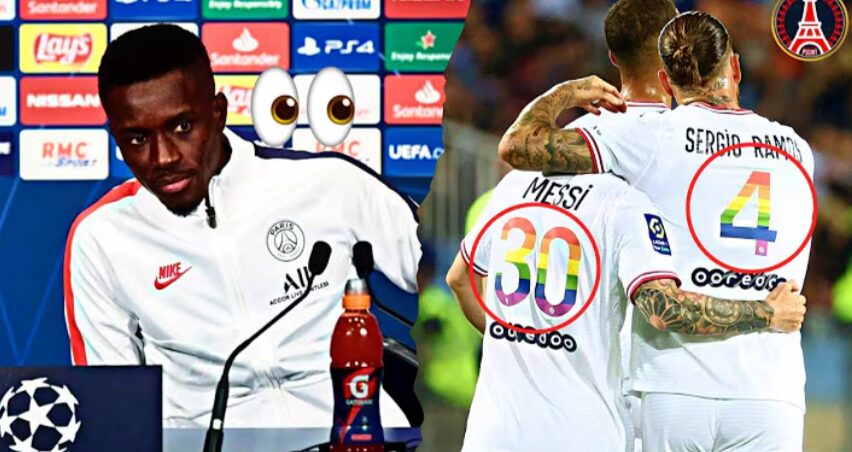
In May 2023, a Paris Saint-Germain (PSG) player sparked controversy by refusing to participate in an anti-homophobia campaign organized by Ligue 1, the top tier of French football. The campaign, which had been running annually, aimed to promote inclusivity and support for the LGBTQ+ community. All players wore special jerseys featuring rainbow-colored numbers to symbolize solidarity against discrimination.
As part of the International Day Against Homophobia, Biphobia, and Transphobia, Ligue 1 required all clubs to take part in an awareness initiative. PSG, like other teams, was scheduled to wear jerseys with rainbow-colored numbers during their league match. However, one PSG player refused to wear the jersey and was subsequently left out of the squad for the game.
The player who refused to participate was Idrissa Gueye, and he allegedly cited personal or religious beliefs as the reason for his refusal. His decision reignited the debate on the intersection of religion, personal freedom, and inclusivity in football.
The incident received mixed reactions from the football world and the general public. Many supporters of the LGBTQ+ community criticized the player’s stance, arguing that participating in the campaign was not about personal beliefs but about promoting respect and equality. Some football fans and human rights organizations condemned the refusal, stating that it sent a negative message about tolerance in sports.
On the other hand, some individuals defended the player’s right to choose whether or not to support a campaign, arguing that forcing participation in social causes could be problematic. Some also pointed out that players should not be penalized for their religious or cultural beliefs if they do not align with such initiatives.
What Can We Do to Stop Discrimination in Football?
It is evident that discrimination is still a significant problem in leagues from all over the world. Just in the previous year, according to BBC, there were over one hundred cases of discrimination during official matches. Whether when it comes to huge players like Vini Junior or new figures of the sports world, no match official is safe from racist comments and other kinds of prejudice.
But what can we do to change this and make football a safe space for everybody? There are multiple actions we can take to join this fight.
We will cover the main ones and how they impact the overall scenario. Here are the best ways to fight discrimination in football:
Support Anti-Discrimination and Inclusion Charity Organizations
Several organizations are already working to combat discrimination in football, and clubs, leagues, and fans should amplify and support their efforts. Groups like Kick It Out, Show Racism the Red Card, and Rainbow Laces have made significant progress in tackling prejudice but need continued backing to expand their impact.
Football clubs and governing bodies should actively partner with these organizations, funding programs that promote inclusivity and providing platforms for anti-discrimination initiatives. Fans can also play a role by supporting these campaigns, attending awareness events, and spreading positive messages.
Stronger Punishments

One of the most effective ways to combat discrimination in football is by introducing stricter punishments for those who engage in racist, sexist, homophobic, or any other discriminatory behavior. Governing bodies like FIFA, UEFA, and domestic leagues must implement and enforce transparent, severe, and consistent sanctions for offenders.
When fans engage in discriminatory behavior—whether through racist chants, throwing objects, or displaying offensive banners—clubs should face harsh consequences, including point deductions, heavy fines, stadium closures, or even disqualifications from competitions. At the individual level, fans found guilty of discrimination should be banned from stadiums and face charges when applicable.
Players and club staff must also be held to high standards. If a player is found guilty of making discriminatory remarks or engaging in racist, sexist, or homophobic behavior, they should face suspension, fines, and possible contract termination. The punishment should be severe enough to send a strong message that discrimination has no place in football.
While some organizations have begun implementing these measures, inconsistency remains an issue. In too many cases, punishments have been too lenient, allowing offenders to continue participating in the sport.
Give the Players Voice to Fight

Footballers hold immense influence, and their voices can inspire millions when they take a stand against discrimination. However, many players hesitate to speak out due to fear of backlash, career consequences, or lack of support from clubs and federations.
To change this, football organizations must actively encourage and protect players who publicly condemn racism, sexism, and homophobia. Clubs and leagues should have clear policies to support whistleblowers, ensuring that any player who speaks out against discrimination is not punished or silenced. Footballers who have personally experienced discrimination should be given platforms to share their stories, helping to highlight the seriousness of the issue.
Awareness Campaigns
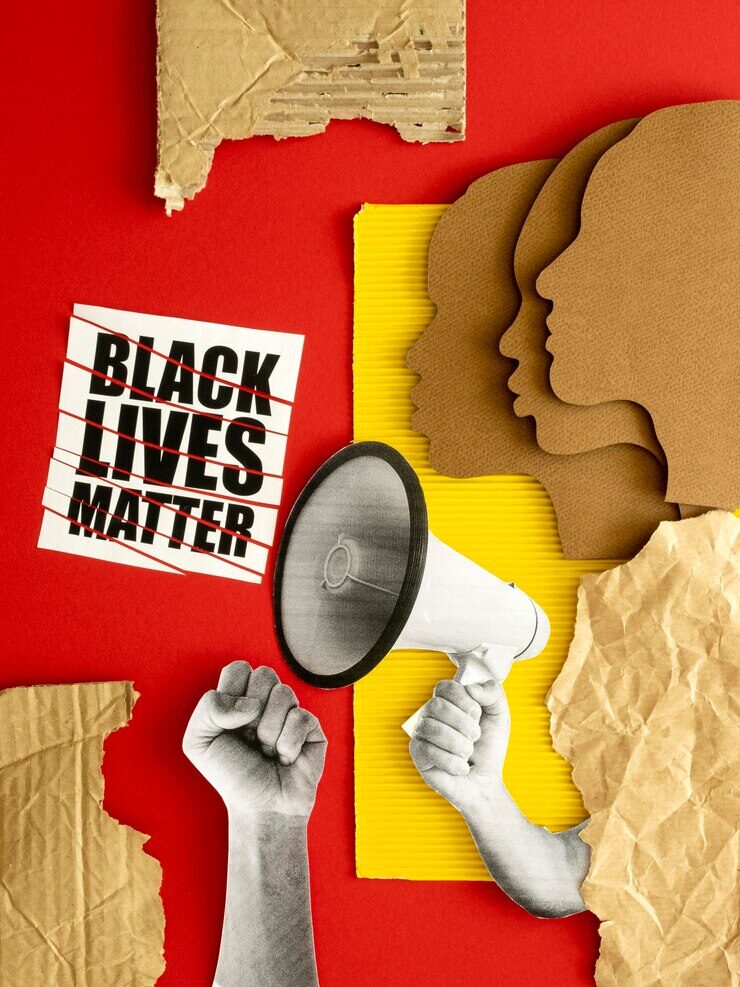
Spreading awareness is one of the best ways to fight against prejudice in numerous spaces, and football is no exception. Punishing offenders is only part of the solution. To truly eliminate discrimination, there must be widespread education about diversity, inclusion, and respect. Football clubs, leagues, and governing bodies should take responsibility for educating players, coaches, fans, and young athletes about the importance of combating discrimination.
At the grassroots level, youth football academies and school programs should include lessons on inclusion and diversity, ensuring that young players grow up understanding and respecting people from all backgrounds. By fostering an early awareness of discrimination, young athletes will be less likely to adopt racist, sexist, or homophobic attitudes as they progress in their careers.
Public awareness campaigns also play a crucial role in shifting societal attitudes. Football clubs should actively collaborate with anti-discrimination organizations to create engaging campaigns that educate fans and encourage inclusivity in stadiums and online spaces.
Social Media Combat Measures
Social media has become a new battlefield for discrimination in football, with players, referees, and fans regularly targeted by racist, sexist, and homophobic abuse. While stadium racism has decreased in some countries, online abuse remains widespread and largely unregulated.
To combat this, social media companies must enforce stronger policies against hate speech, like the Online Safety Bill, banning users who engage in discrimination and more efficiently removing offensive content. Clubs and leagues should also take legal action against online abusers, ensuring that they face real-world consequences for their actions.
In addition, football organizations should promote positive online campaigns that encourage fans to stand against discrimination. Initiatives like “Rainbow Laces” for LGBTQ+ inclusion and anti-racism movements led by high-profile players can help shift attitudes and promote a culture of respect online.
Encouraging Inclusivity and Cultural Shifts

We know that changing the way people think and act can take a lot of time, and this is not something we can do from one day to the next, but encouraging changes in the scenario and adding inclusivity support is one of the best things we can do to reduce and prevent discrimination in football.
Fighting discrimination requires a cultural shift where inclusivity becomes the norm rather than the exception. Football stadiums must be made safe spaces for all fans, ensuring that racist, sexist, and homophobic chants are not tolerated.
Similarly, women’s football must receive the same level of investment, media coverage, and respect as men’s football, breaking down gender barriers. Clubs and leagues should actively support LGBTQ+ players and fans, ensuring that football is welcoming to people of all identities.
By taking these steps, football can evolve into a truly inclusive sport where every player, fan, and official is treated with dignity, fairness, and respect. The love for the beautiful game unites us all, regardless of gender, race, sexuality, or anything else. We must fight to create an inclusive space where everyone feels good to share their excitement and cheer.
Charities and Organizations That Help in This Fight
Racism and discrimination are fights that we can’t pick alone, and every help comes in handy when trying to change this way of thinking. Whether through small actions or global efforts, everything we do can help football to become a better place for everyone.
Looking for someone to help you in this fight? There are hundreds of organizations ready to support you and help with this mission.
Over the years, several organizations have been established to fight discrimination in football and promote diversity, inclusion, and equality. These groups work at different levels, ranging from grassroots activism to high-level collaboration with FIFA, UEFA, and domestic leagues, to combat racism, sexism, homophobia, and other forms of prejudice in the sport.
Rainbow Laces
Rainbow Laces is an initiative launched by Stonewall, the UK’s leading LGBTQ+ rights organization, to increase LGBTQ+ visibility and acceptance in football and other sports. The campaign encourages players, coaches, and fans to wear rainbow-colored laces as a symbol of support for LGBTQ+ inclusion.
Many professional leagues, including the Premier League, Bundesliga, and MLS, have embraced the campaign, organizing “Rainbow Laces” matchdays where clubs display rainbow branding and raise awareness about homophobia in football. Despite some controversy and resistance from certain players, Rainbow Laces continues to push for greater acceptance and representation of LGBTQ+ people in football.
Even though the initiative was created in the UK, it acts globally, with numerous countries joining the cause for more inclusive spaces in the sports world. It is a great organization to support and an essential pillar in inclusive football culture.
Kick It Out

Kick It Out is one of football’s most well-known anti-discrimination organizations, particularly in England. Originally established as the “Let’s Kick Racism Out of Football” campaign, it expanded to tackle all forms of discrimination, including homophobia, sexism, and disability discrimination.
The organization works closely with the Premier League, English Football League (EFL), and FA to create policies that combat racism and support marginalized communities. Kick It Out also provides education programs, reporting tools for abuse, and lobbying efforts to encourage stricter anti-discrimination measures in football.
Show Racism the Red Card
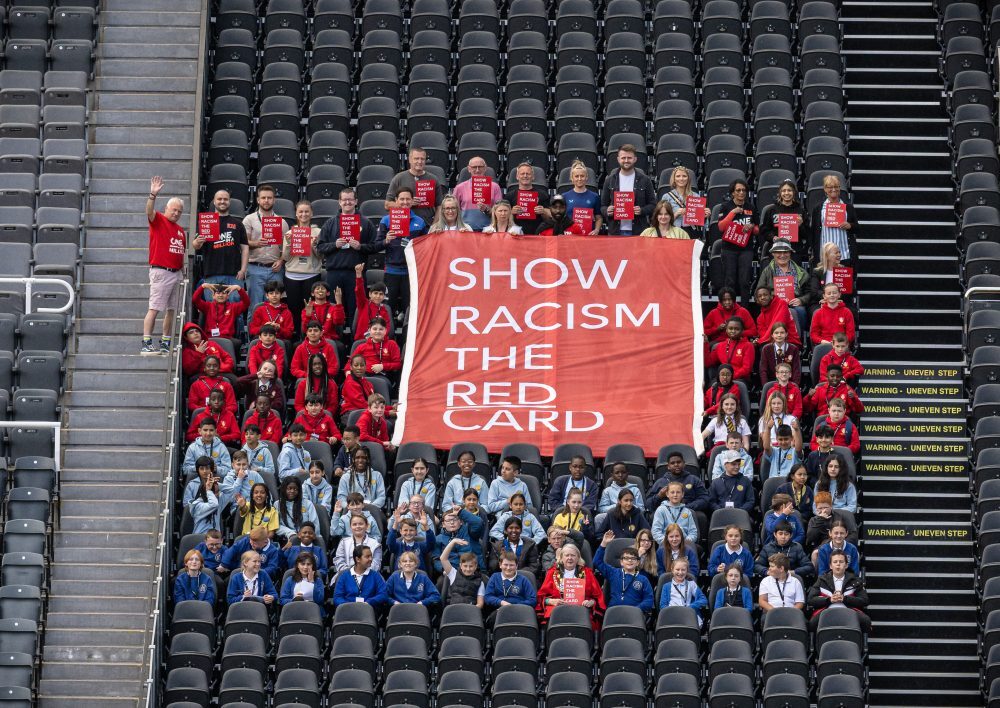
Show Racism the Red Card (SRtRC) is a UK-based educational charity that uses football’s influence to teach young people about racism and inclusion. The organization conducts workshops, creates educational materials, and collaborates with professional footballers to spread awareness about racism in football and society.
The campaign has expanded beyond the UK, working with clubs and national teams across Europe and North America to provide training and resources for coaches, teachers, and young athletes. It is one of the most recognized anti-racism initiatives in world football.
Join the Best Sports Environment in FootballTeam

There’s no space for racism and discrimination in football. Whether in the real or virtual world, the sport is a space for everyone to enjoy the magic of this sport together.
Regardless of any factor, the only thing that matters is your ability on the field, and FootballTeam is the perfect ground to showcase your skills. It is the definitive online experience that will put you against millions of players to see who’s the best player of all time.
Test your gameplay and management skills in this thriving adventure that allows you to create your own character and manage your own football club, offering customization options for every aspect of your gameplay.
Invite your friends now and enjoy FootballTeam from any mobile or desktop device. Visit the main page right now and register to begin your journey!


