Football
When you think of football, Germany is one of those countries that instantly pops into your head, and trust me, it’s not a coincidence. Football isn’t just a sport over there. It’s basically part of the culture. Football is everywhere, from tiny village clubs to the massive Bundesliga stadiums packed with fans. People grow up with it, talk about it daily, and genuinely love it.
For a good reason, Germany has always been an eye-catching talent-laced nation and a big deal. Four World Cups and three European Championships – that’s not just luck. That’s years of building solid teams, smart tactics, and players who give everything they have on the pitch.
What’s interesting is that with German players, it’s not always about flashy skills or big egos. It’s more about the team, the system, and the discipline. Germans are known for their organization and undying efficiency, and that can definitely be seen on the football field.
In this article, we’re diving into some of the best football players Germany has ever produced. Some of the names you’ll already know because they are German behemoths; many others might surprise you. But all of them have made their mark in their own way and deserve all the recognition. So, let’s get into it.
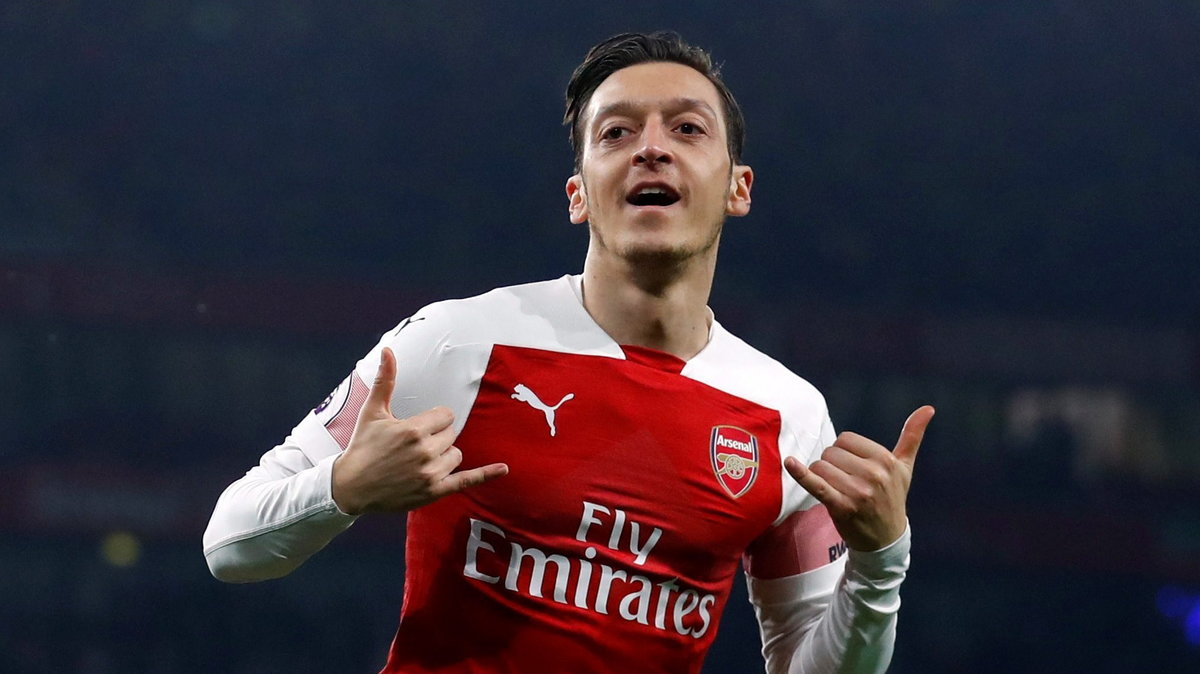
15. Mesut Ozil
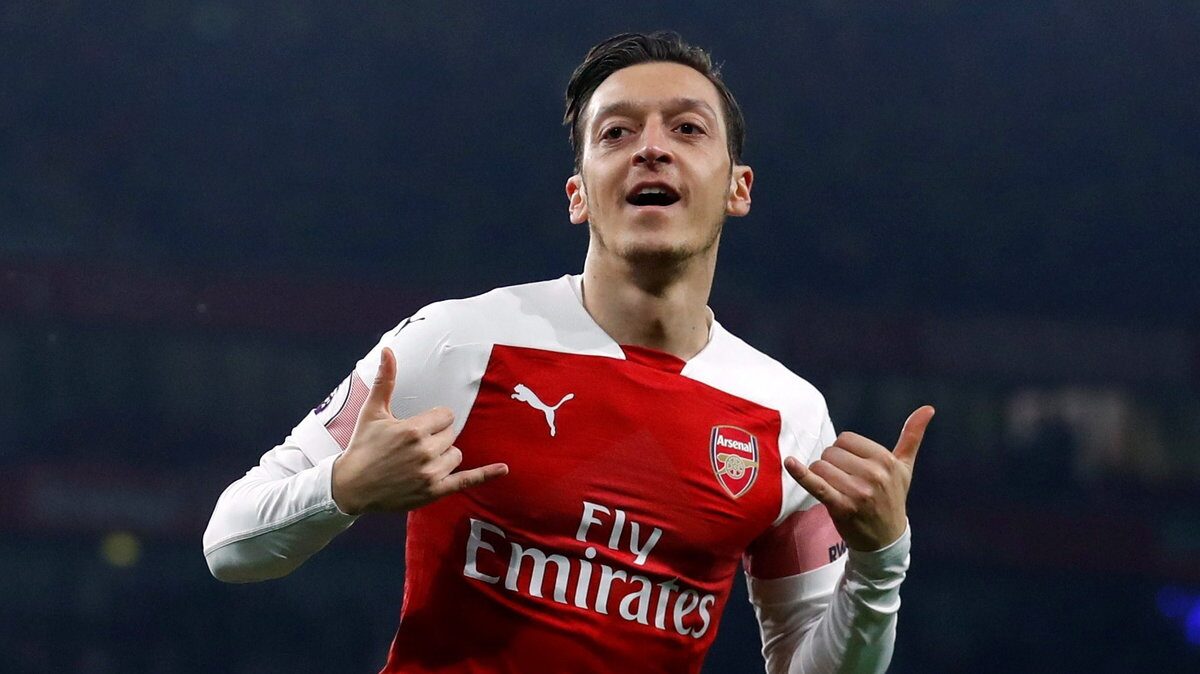
Mesut Ozil is one of the most naturally gifted players Germany has ever had. Whether in the international setup or anywhere else, he played with a calm, smooth style that made everything look easy. He didn’t need to be flashy; that innate eye and those passing skills did all the talking.
During the 2014 World Cup, the attacking midfielder proved his worth by helping Germany lift the trophy. His presence in the midfield kept things flowing. Calm and collected – this is what he was.
People sometimes forget how consistent and smart he was on the ball, especially during his Real Madrid and early Arsenal days. And yes, things got a bit complicated later on, but if we’re talking purely about talent and influence, Ozil definitely had that.
His creativity and flair added something unique and different to a very structured German team. He made the game look beautiful, which is something special, and frankly, deserves all the recognition for it.
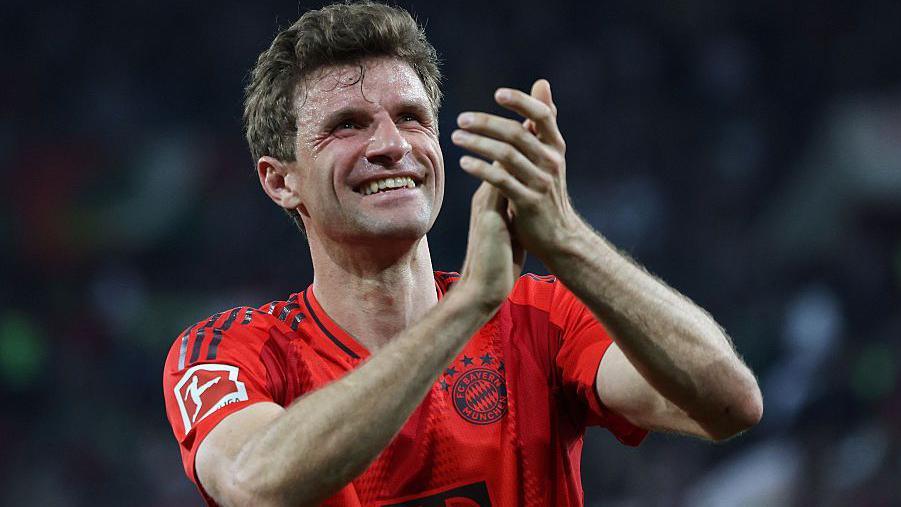
14. Thomas Muller
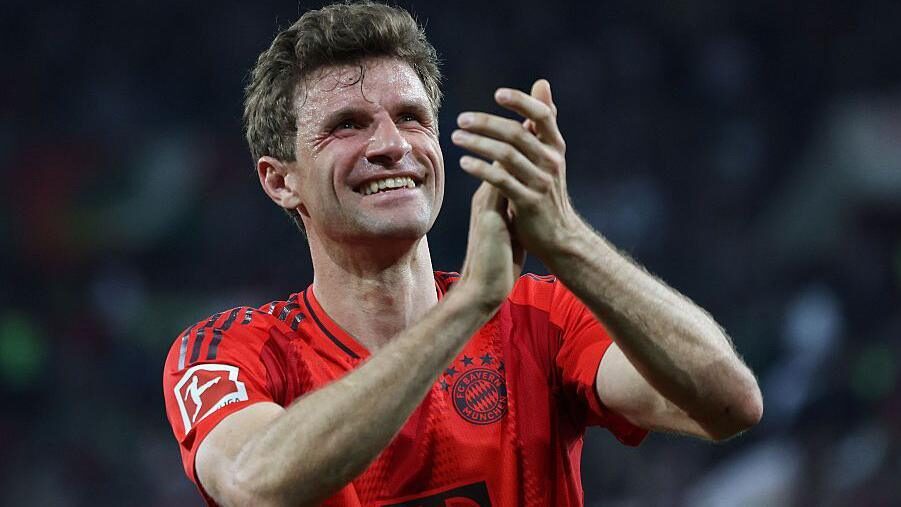
There’s just something about Thomas Muller that’s hard to explain but impossible to ignore. He plays with this weird, instinctive genius, seeing the game in a way no one else does. He finds space where no one’s looking, poops up with goals out of nowhere, and somehow always makes a difference – just no one can play quite like him.
Bayern Munich was the only team he’d ever played for. He has won over 30 trophies, including 12 Bundesliga and two Champions League titles. He’s made over 700 appearances for the club, putting him right up there with the biggest legends in German football history.
And when it comes to international football, Muller helped his country on many occasions. Over 120 caps, the 2014 World Cup, and one of the most prolific goalscorers in World Cup history.
It’s not the numbers that make him special, though. It’s the way he plays: chaotic but smart and very effective. That’s why fans love him. Because he’s different, and yet, gets the job done.
13. Karl-Heinz Rummenigge
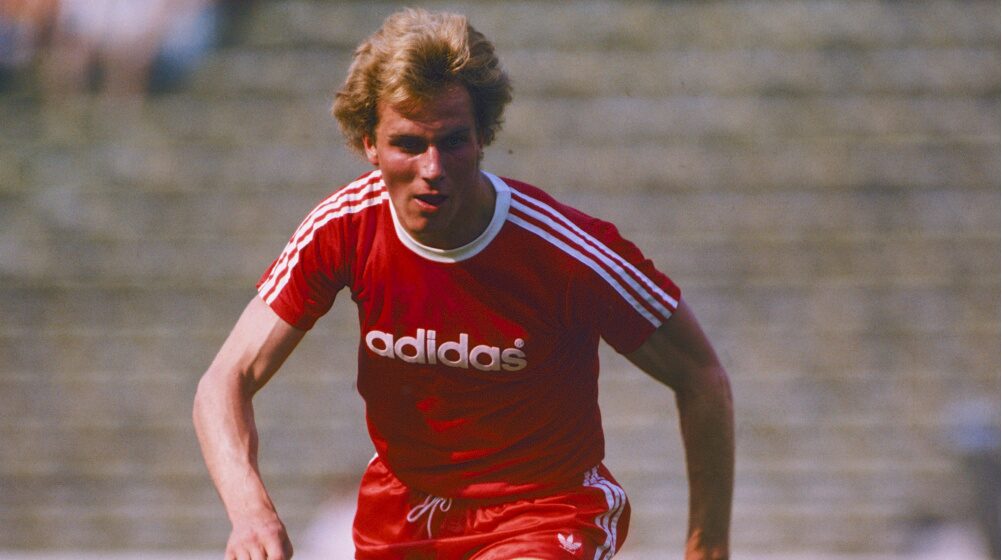
Rummenigge is one of those names that pop up when you talk about football legends. He was one of the biggest stars back in the late ‘70s and early ‘80s, especially when he played for Bayern Munich.
At Bayern, he won two Bundesliga titles and two German Cups. He also picked up two back-to-back Ballon d’Or awards – a wonderful trophy to win once, let alone twice.
Rummenigge was part of the West Germany squad that played in multiple major tournaments, including the 1980 European Championships, which they won. While he wasn’t the main man of the event, he played a crucial role in helping the team lift the trophy. Beyond that, he helped Germany reach the World Cup finals twice in the early ‘80s, scoring nine goals across three campaigns, which was no easy feat.
Rummenigge’s influence goes beyond just his playing days as he stayed involved in football even after retiring. He took on big roles at Bayern Munich. Over his career, he scored more than 160 goals for Bayern in around 310 appearances and 45 goals for the Germany national team, for which he played over 90 times.
All in all, Rummenigge isn’t just a great former German footballer. He’s someone who shaped German football into what it is today.
12. Oliver Kahn
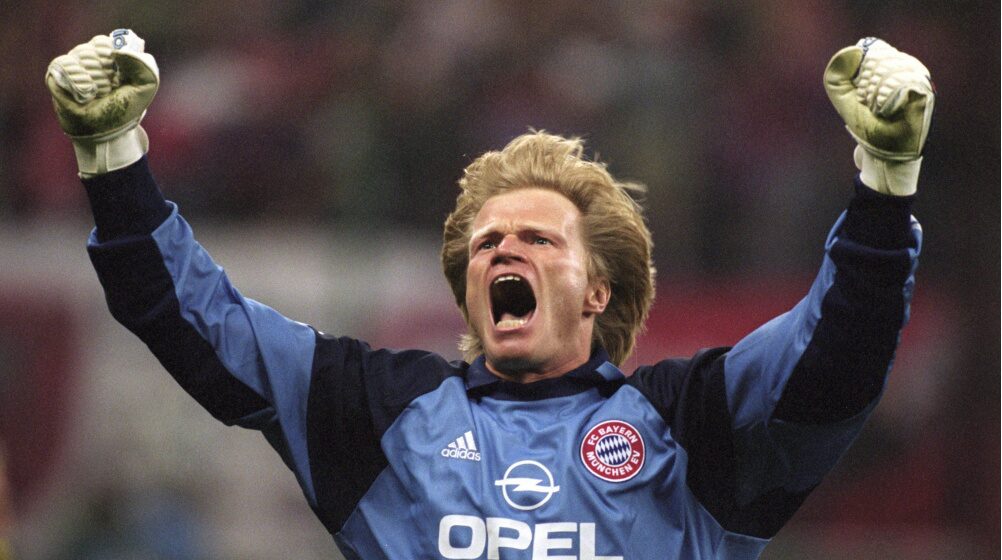
Whether you were watching Bayern Munich or the German national team, the only goalkeeper that stood out was Oliver Kahn. He was loud, commanding, and completely locked in.
Kahn started off at Karlsruher SC, but it was at Bayern where he became a true ‘Der Titan’, as he was called. With over 600 games for the club, he cemented his legacy as Bayern’s backbone while subsequently providing ample silverware.
Kahn helped them win eight Bundesliga titles, six German Cups, and that unforgettable Champions League title in 2001. He also played in two other Champions League finals, showing just how good he was.
On the international stage, Kahn played more than 80 times for Germany and appeared in multiple major tournaments, with the 2002 World Cup being probably his peak moment. Germany made it all the way to the final, and Kahn was the key to that run.
Kahn’s style was aggressive, direct, and intense. He shouted, commanded, and led his team from the back. He drove standards up, kept the team focused, and pulled off some ridiculous saves when Bayern or Germany needed it most.
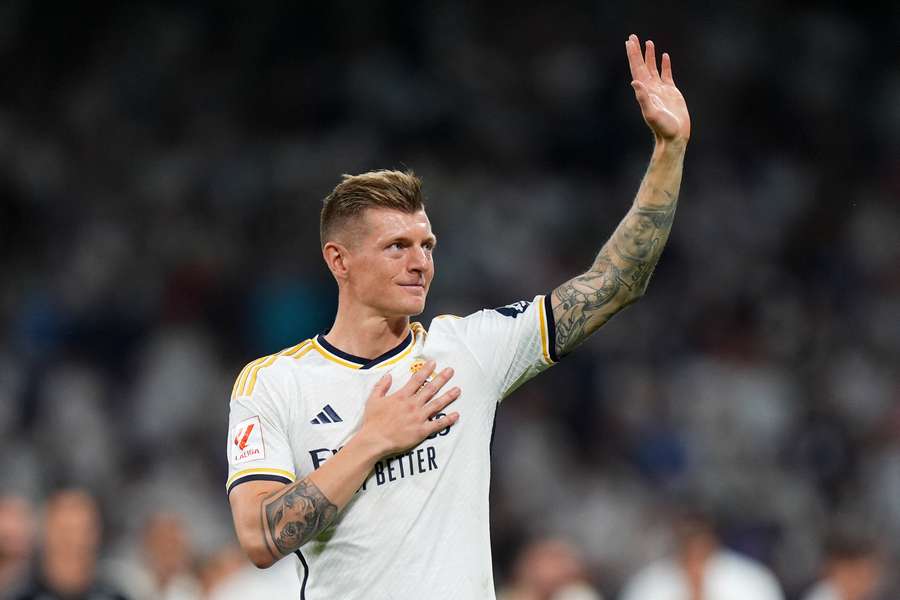
11. Toni Kroos

Toni Kroos has been one of the most quietly brilliant German footballers. Whether playing for Bayern Munich, Real Madrid, or the German national team, he brought this calm control and carried none of the swagger.
He started at Bayern, winning league titles and learning the ropes, but it was his move to Real Madrid that really took things to another level. He became part of one of the most dominant midfields in football history. Over the years, he’s racked up over 400 appearances for the club and quietly stacked up a trophy cabinet that most players can only dream of, including five Champions League titles.
He’s been just as reliable for Germany, making over 100 appearances and scoring more than a dozen goals. He played a crucial role in the 2014 World Cup in Brazil, bossing the midfield in that unforgettable 7-1 win over the hosts.
He controls matches in a way few other players can. The tempo of the game runs through him. Coaches love him, teammates trust him, and what’s most important, opponents struggle to get near him.
10. Miroslav Klose
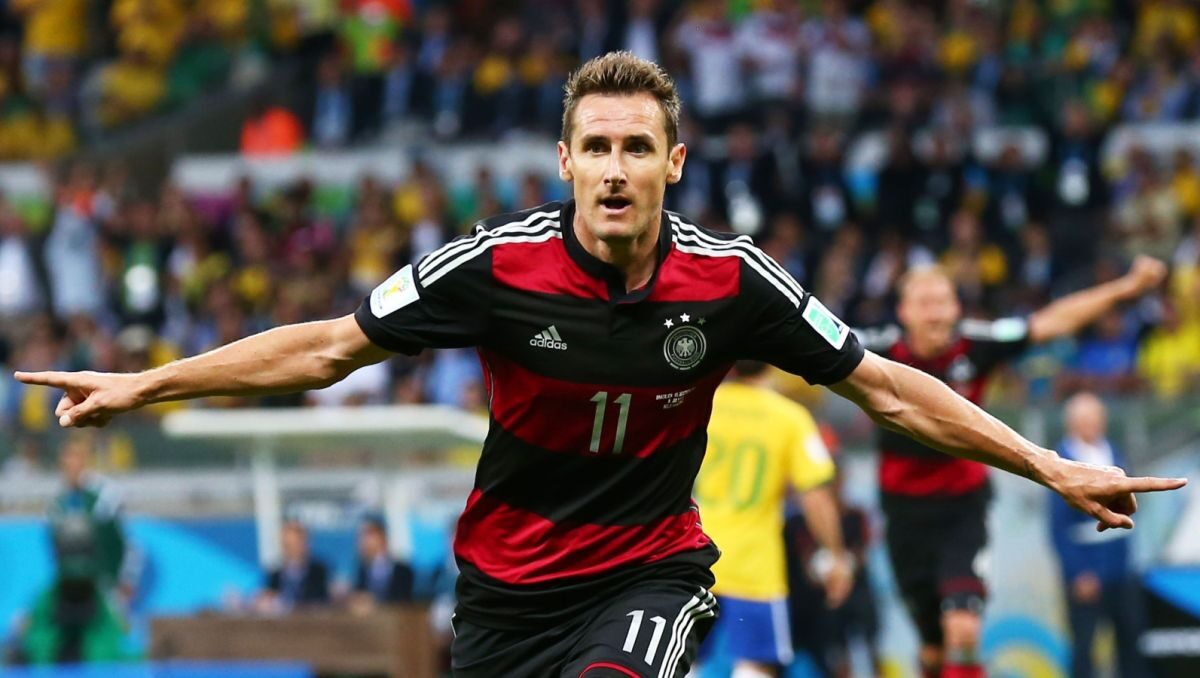
Sure, there are far better players on this list than Miroslav Klose, and maybe a few of them we haven’t even included, but when it comes to big tournaments and big moments, he just delivered.
The Polish-born goal machine wasn’t the flashiest, but he had this instinct. He knew where to be, when to make a run for it, and how to put the ball in the back of the net. And that instinct turned into one of the most impressive international records in football history.
Klose played for a few solid clubs over the years, starting off at Kaiserslautern, then moving to Werder Bremen, Bayern Munich, and later Lazio. At Bayern, he picked up two Bundesliga titles and two German Cups. Very often, he wasn’t the game star, but instead someone reliable and hard-working.
But let’s be honest, where Klose made his name was with the German national team. He made over 130 appearances for Germany and scored 71 goals, becoming the country’s all-time top goal-scorer. He played in four World Cups and, in 2014, broke the record. That moment alone cemented his name in football history.
After retiring, he didn’t leave the football pitch. He stayed in the game, working as a coach and passing on that same wit and efficiency to younger generations.
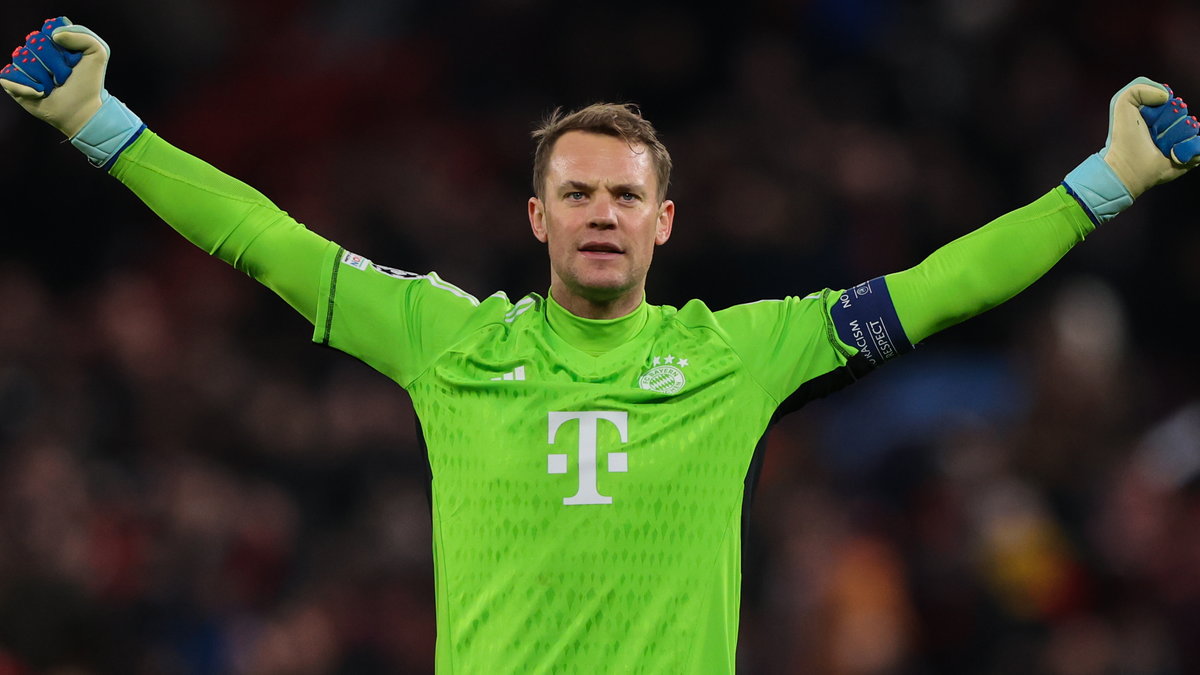
9. Manuel Neuer

Manuel Neuer changed the way people look at goalkeepers. Before him, goalkeepers were mostly seen just as shot-stoppers. Stay on the line, make saves, and kick it long. Well, that wasn’t Neuer. He pretty much redefined the sweeper-keeper role, playing as if he were a defender, a playmaker, and a goalkeeper all at the same time.
His lengthy career started at Schalke, where he already looked like something special, but it was at Bayern Munich that he became a world-class goalkeeper. Since joining Bayern, he’s played over 500 matches and won multiple Bundesliga titles, German Cups, and two Champions League trophies—one in 2013 and the other in 2020 during that insane treble-winning season.
Internationally, Neuer’s been just as good. He’s got over 100 caps and was the number one during that incredible 2014 World Cup run. He was at his peak during that tournament, making big saves and even starting counter-attacks from his own box.
What makes Neuer unique is how he is with the ball. He isn’t just great at shot-stopping but feels confident and comfortable with the ball at his feet. Playing passes like a midfielder and taking risks. It’s not what most goalkeepers typically tend to do, but for Neuer, it’s just another day.
8. Gunter Netzer
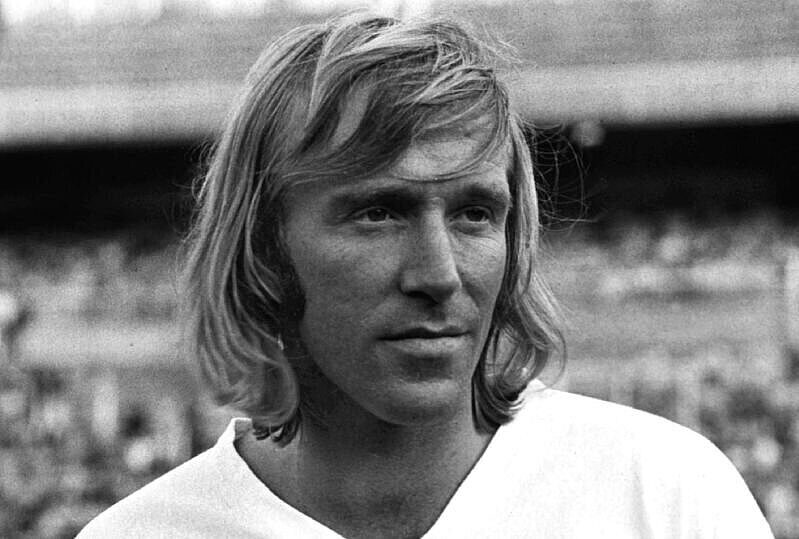
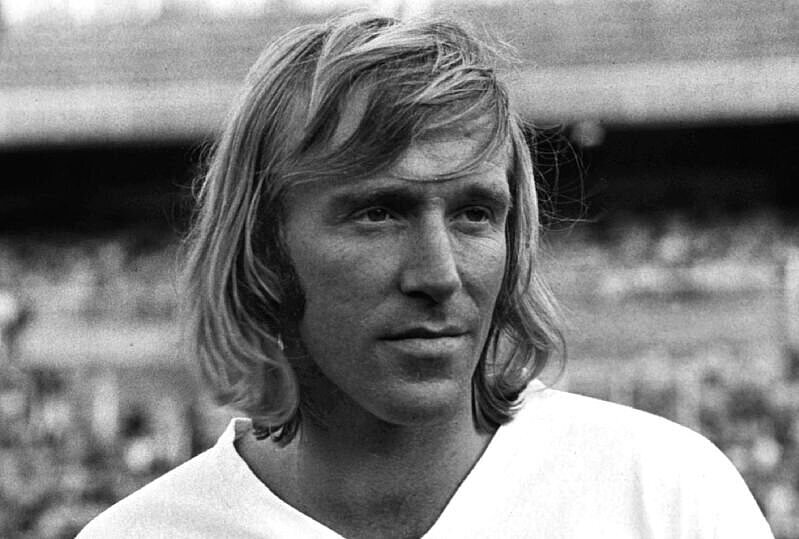
Gunter Netzer isn’t always the first name that comes to mind for younger German football fans when it comes to legendary German footballers, but back in the day, he was a big deal. In a time when football was a little bit more rigid, Netzer stood out. He was a proper playmaker, the kind of midfielder who controlled the pace and made things happen.
Nicknamed ‘Karajan’, he made his name at Borussia Mönchengladbach, winning two Bundesliga titles, two DFB-Pokal titles, and a German Cup. Later, he moved to Real Madrid, which wasn’t very common for German players back then.
Netzer played around 40 matches for West Germany and scored a handful of goals. He was part of the squad that triumphed in the European Championship in 1972, and he really made an impression. He also appeared in the 1974 World Cup but didn’t play much.
Some people say that he was ahead of his time – a midfielder with freedom and confidence. Netzer liked to take risks, hit long, and control the games, which was quite uncommon at that time.
7. Fritz Walter
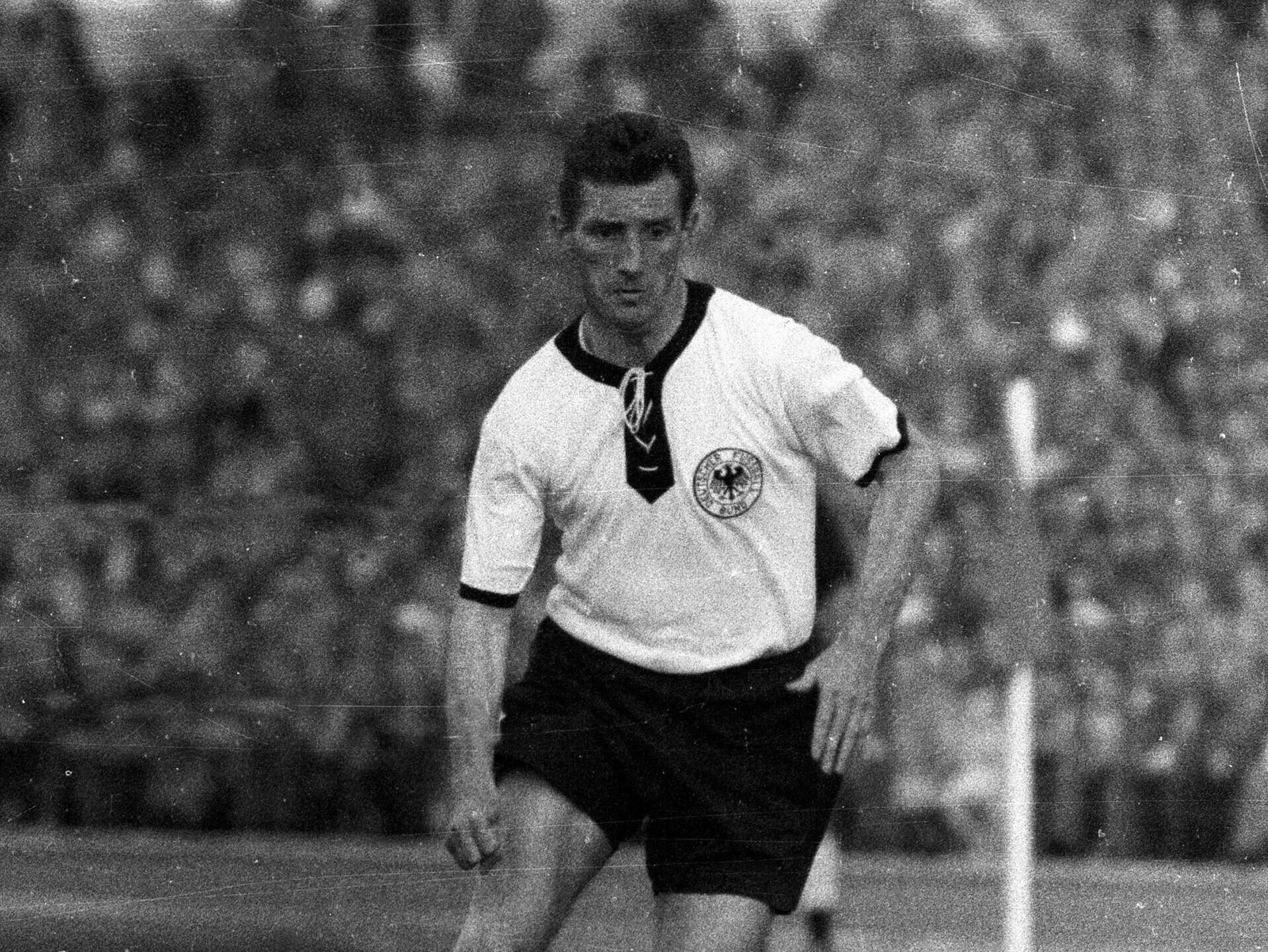
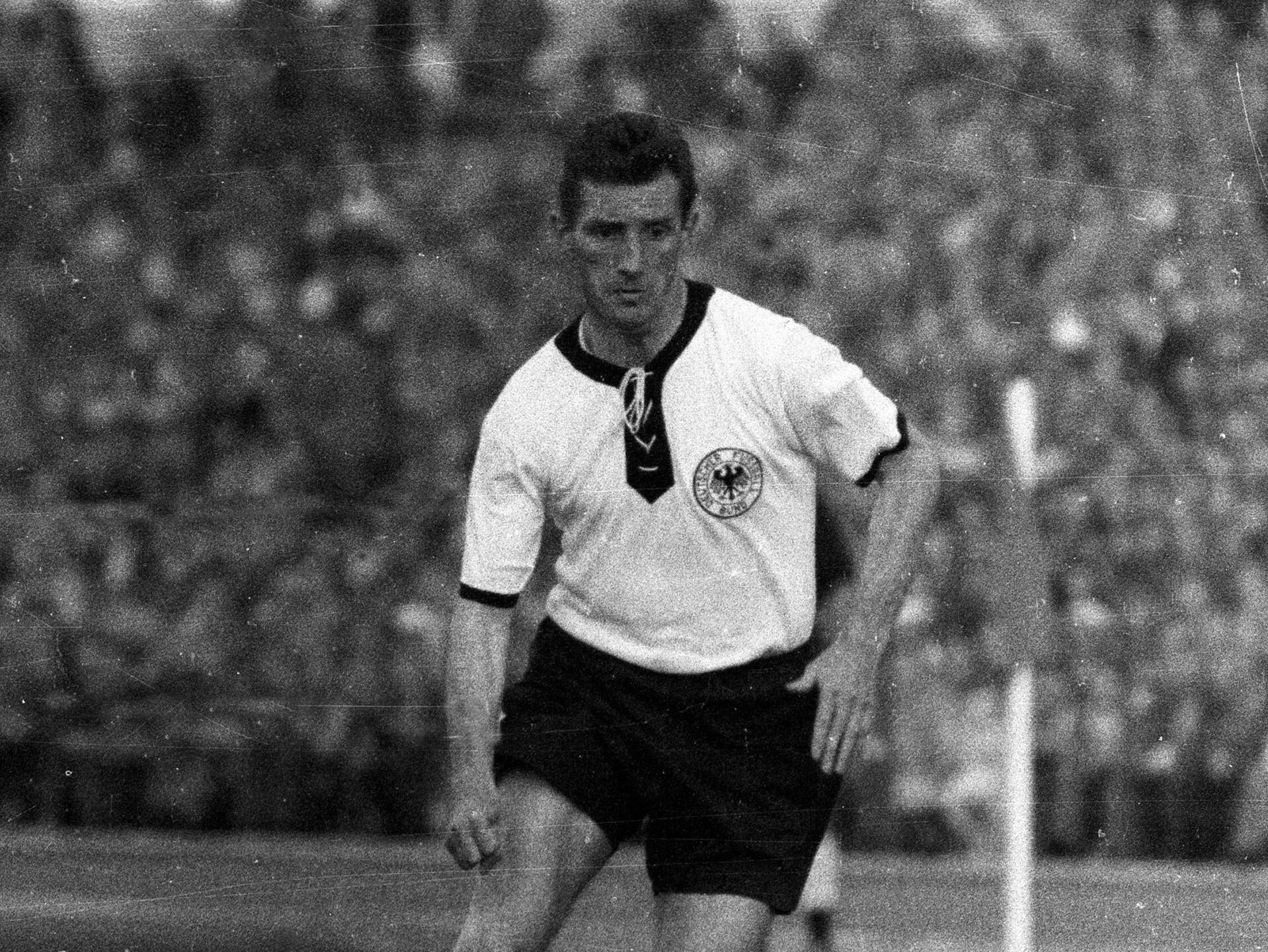
Fritz Walter is a name that still carries weight in German football folklore. He was the captain when West Germany lifted its first World Cup trophy in 1954. That win wasn’t just about the game; it was about lifting the spirit of the whole nation after the war.
He spent his entire playing career at his hometown club FC Kaiserslautern, racking up 379 appearances and scoring 306 goals. He was a massive part of why Kaiserslautern became such a respected team during that era.
Walter made his debut for Germany at such a tender age that by the time his career was over, he had racked up over 60 caps and 30 goals. He even scored a hat-trick during his debut game against Romania. He was precise, calm, and could read the game brilliantly, even under pressure.
You’ll hear about flashy names and prominent personalities in world football, but Fritz Walter was different. He let his game do the talking, and more often than not, it was heard. His legacy still lives on. Kaiserslautern named their stadium after him, and there is even an award in his name, handed out to the finest youth footballers.
6. Uwe Seeler
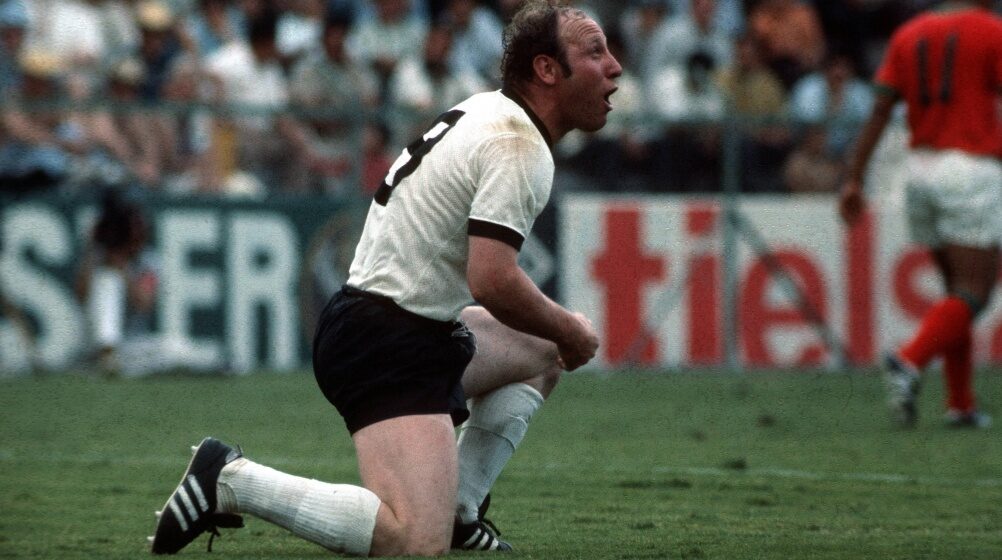
Uwe Seeler is one of those names that come up when you talk about the roots of football in Germany. He might not have been the flashiest player, but for a long time, he was the face of German football.
He spent nearly his entire career playing for his hometown club, Hamburger SV. That kind of loyalty is rare to see. Throughout his career, he scored almost 500 goals in 580 HSV appearances and helped them win the German Championship in 1960.
Playing for West Germany, he made 72 appearances and scored 43 goals. Seeler played in four World Cups, scoring in each one, a record only a few players have matched.
Seeler wasn’t your typical big center-forward. He wasn’t tall, but he was outstanding in the air. He had this sixth sense and knew where the ball would drop. He was just a smart player who read the game better than others.
5. Sepp Maier
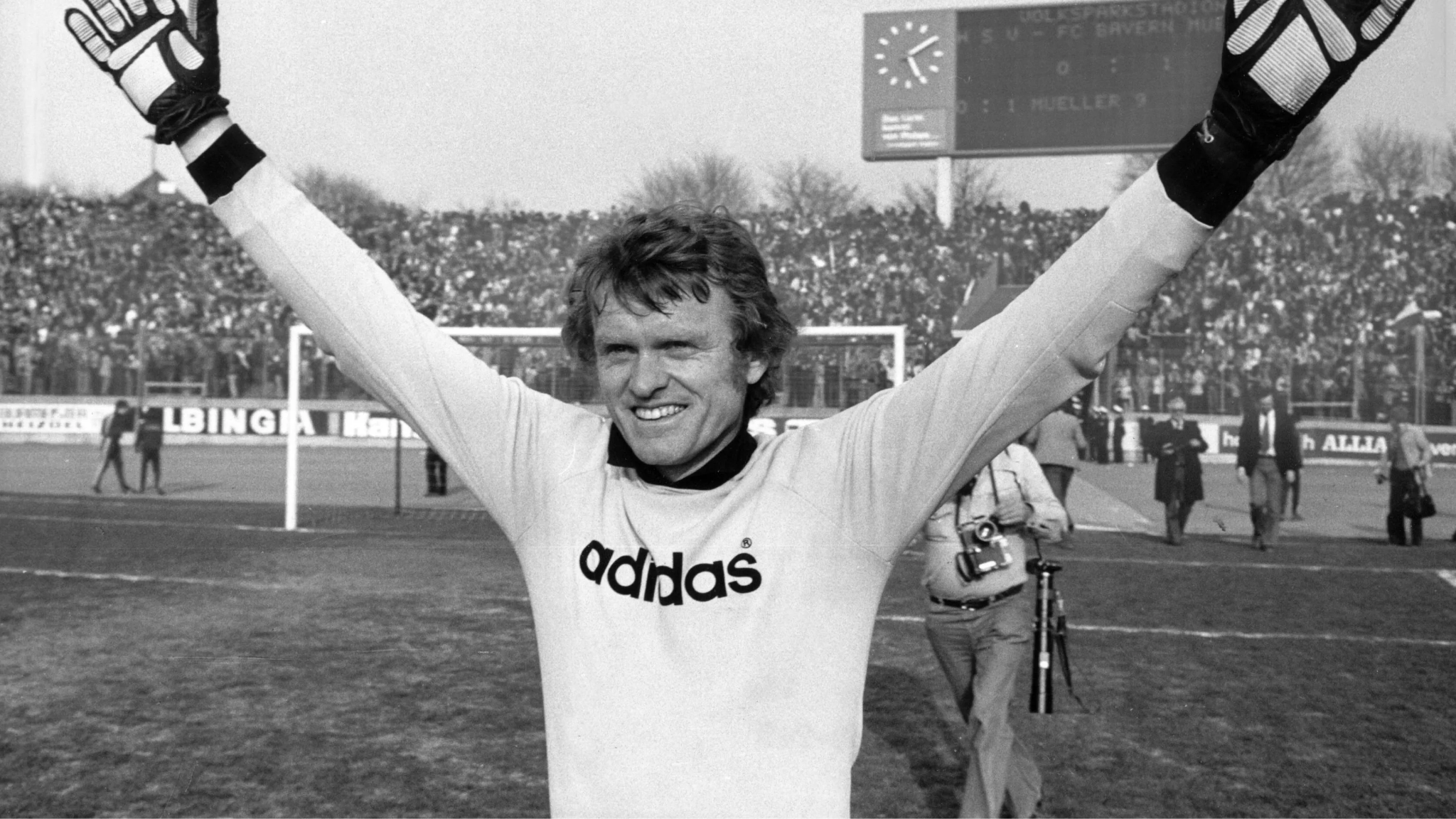
Long before Oliver Kahn and Manuel Neuer made the football echo chamber, Maier was already setting the standard. He was a one-club man, spending his entire career at Bayern Munich, which says a lot about his loyalty and quality.
Four Bundesliga titles, four German Cups, and probably the most impressive, three Champions League trophies in a row during the ‘70s. Maier helped turn the club into a powerhouse and was always dependable between the posts.
Earning 95 caps, German simply was an incredible shot-stopper when West Germany secured the 1974 World Cup on home soil. That squad was filled with football rockstars, and Maier was right up there with them.
They used to call him ‘The Cat,’ a nickname that you didn’t need to explain once you saw Sepp Maier play. He was quick, flexible, and always in the right spot at the right time – pure goalkeeping talent.
Before the modern ‘sweeper-keeper’ became a thing, Maier already had hints of it. He was highly competent with the ball at his feet, quick of his line, and always reading the game. He laid the groundwork for what German goalkeeping would become.
4. Philipp Lahm
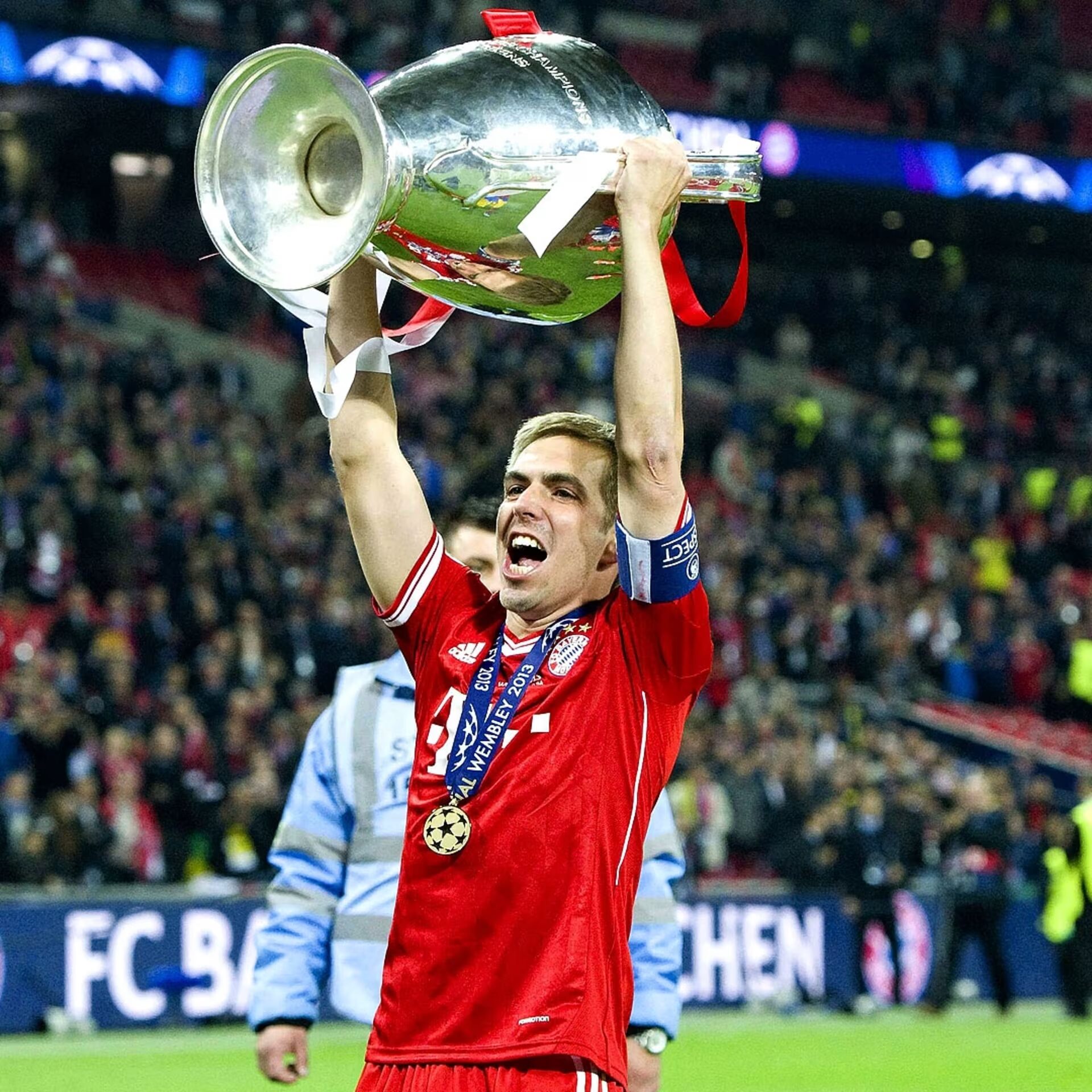
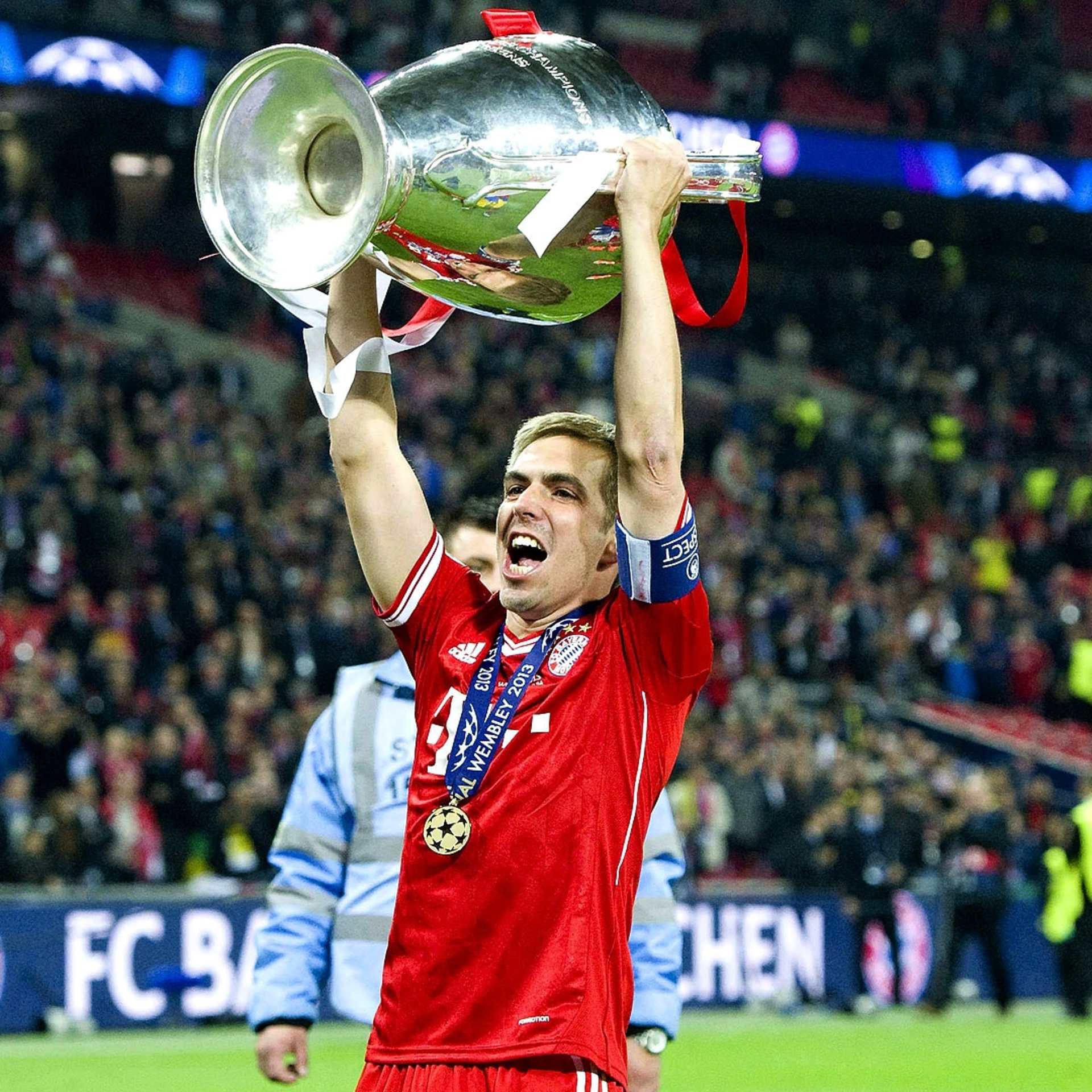
You don’t need to be loud to be a leader; Philipp Lahm proved that better than anyone, cementing his name in the Bavaria engine room. Short, not particularly strong, fast, or aggressive, but he was always the smartest. Whether playing as a dependable full-back or later, after a successful transition to midfield under Pep Guardiola, he was a smooth operator.
Lahm spent most of his career at Bayern Munich, racking up over 500 domestic outings, winning everything. We’re talking eight Bundesliga titles, six German Cups, and of course, the Champions League in 2013. He captained Bayern during one of its most dominant periods, including that famous treble-winning season.
His international career isn’t shy, either. Throughout 100 caps, he played in three World Cups and three European Championships, leading Germany to victory in the 2014 World Cup. He remained calm, organized, and completely locked in on the sport’s biggest stage.
What made Philipp Lahm special was his timing, positioning, and leadership. Everything he did felt precise, which is why teammates followed him and football fans respected him.
3. Lothar Matthaus
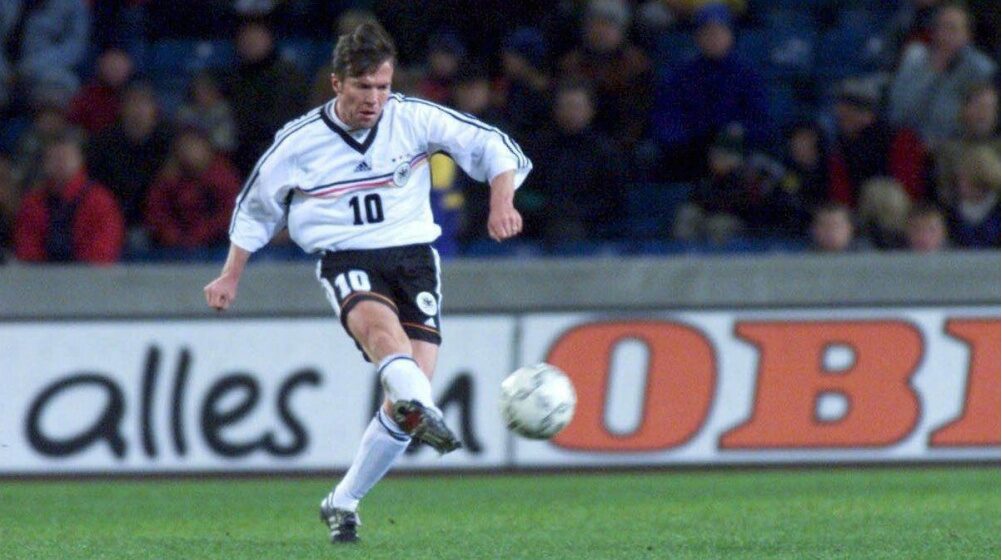
If there’s one German player who truly did it all, it has to be Lothar Matthaus. He played in five World Cups, captained the country to a title, won countless trophies, and was a versatile monster who could do basically everything on the pitch.
Praised by Diego Maradona, Matthaus typically embodied the workmanship nature of a proper box-to-box midfielder who could defend, create, and score. And he didn’t just play the part. He made over 150 appearances for Germany, scoring 23 goals, helping the country become one of the most successful nations in football history.
He captained West Germany to a World Cup win in 1990. His leadership and all-around abilities stood out, especially during that ‘90s run, where he scored four goals and dominated the midfield.
He had serious success with Bayern Munich and Inter Milan, boosting his career tenfold and winning seven Bundesliga titles with Bayern, as well as Serie A and UEFA Cup with Inter. Matthäus had real domestic free-scoring habits, racking up over 200 goals across more than 700 games, which is something rare to see in the midfield.
2. Gerd Muller
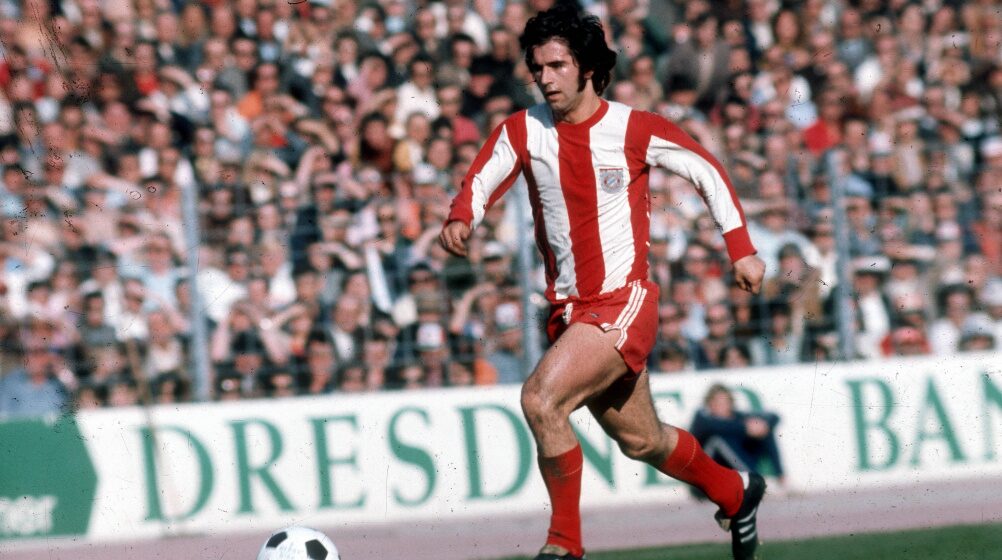
He was nicknamed ‘Der Bomber’ due to his ability to simply destroy defenses. He didn’t look like your typical football star. As a youngster, Muller was mocked and teased for being short and fat, but none of that mattered on the football field.
Adored German played most of his career at Bayern Munich, where he became a true target man and one of the country’s greatest players. He was a pure statistics machine scoring 566 goals in 607 matches for the club, giving a rate of 0.93 goals per game. He helped Bayern win four Bundesliga titles, four German Cups, and three European Cups.
On the international level, he was just as deadly. 68 goals in 62 matches, this is wild when you think about it. He was the greatest goalscorer when West Germany won the European Championship in 1972 and scored the winning goal in the 1974 World Cup final.
Gerd Muller lived off movement, instinct, and lightning-fast reactions. He might have been underestimated early on in his career, but in the end, he became one of the nation’s all-time legends.
1. Franz Beckenbauer
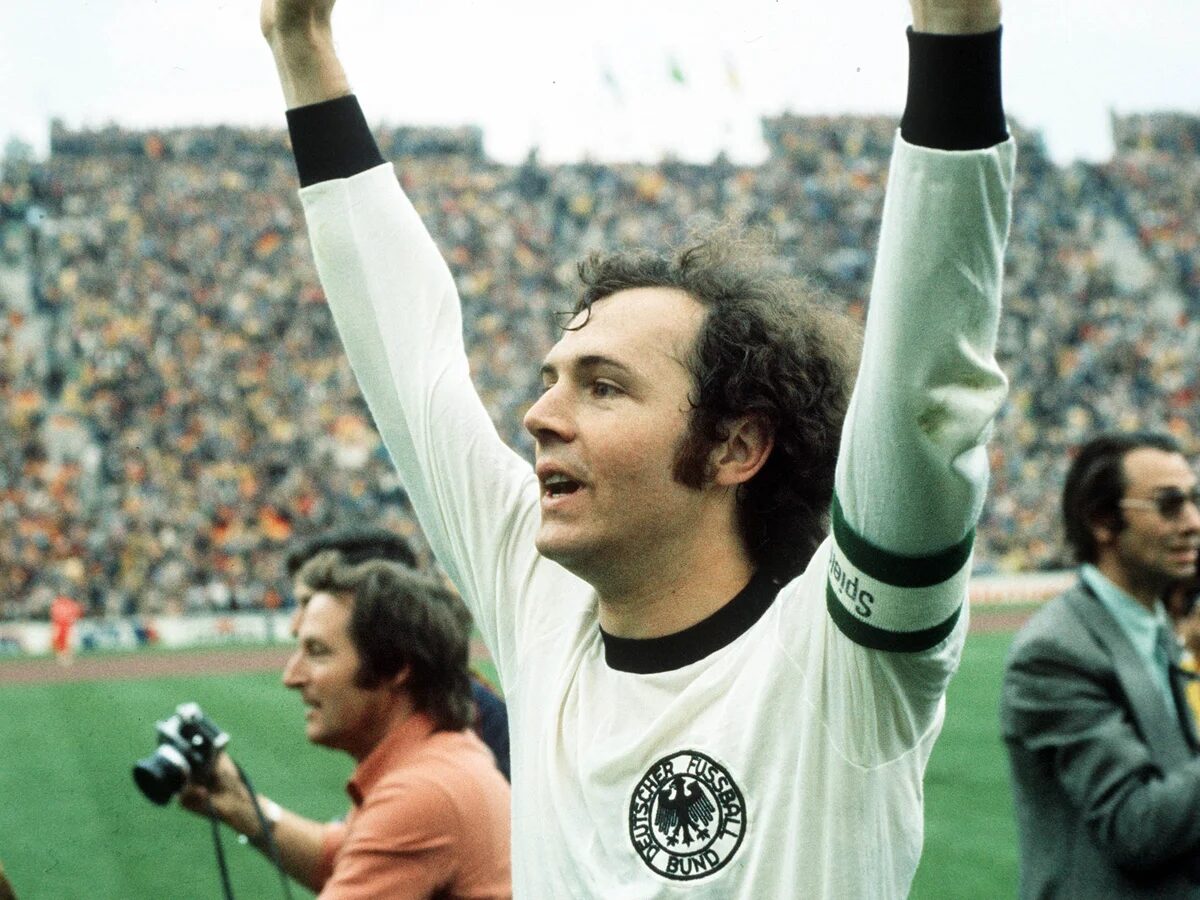
If you had to name one of the greatest German players ever, most people would land on Franz Beckenbauer. He’s the one sitting at the top without much argument. They called him ‘Der Kaiser’ not just because it sounded cool but because of how he carried himself – elegant, composed, and always in control.
He spent the best part of his career at Bayern Munich, where he helped turn the club into a European force – a true testament to his impact as a player and a leader. In the ’70s, Beckenbauer won four Bundesliga titles, four German Cups, and three consecutive European Cups.
Franz Beckenbauer made over 100 appearances internationally, captained the team that won the 1974 World Cup, and played a massive role in the 1972 European Championship win. Then, years later, he coached Germany to another World Cup title in 1990.
Beckenbauer didn’t rely on strength, power, or speed to dominate. He was a true defensive talent who relied on vision, timing, and understanding of the game. That’s why people still talk about not just what he achieved but how he did it. He wasn’t the one to chase the spotlight, but somehow, it always found him.
Ready to Stand Among German Legends?

We’ve just gone through some of the greatest German players of all time – legends like Lahm, Muller, and Beckenbauer. Now it’s your turn to step up!
FootballTeam is your shot to prove it. Build your dream player, climb through the ranks, and show the world you belong at the top.
It’s a free-to-play game that mixes football brains and ambition. Whether you’re dreaming of dominating the midfield like Kroos or scoring like Gerd Muller, this is where it starts.
Play with friends, take on players worldwide, and rise to the top – all from your desktop or phone.
Ready to start your journey?